Can Local Raw Materials Make Lightweight Blocks? What a Sample Trial Confirms
HENGDE tests your available raw materials through the manufacturing steps that shape a practical block-production line. Our Taiwan ceramsite trial records from September and October 2026 connect the customer's aggregate with real mixing, mould handling and cutting work. For a factory buyer, those observations help define the preparation, mixing and cutting equipment to evaluate—not simply a list of machines selected by daily capacity.
Can your local material work in the block you want to sell?
Start with the finished product: block dimensions, application, density and strength requirements, then the materials available near your proposed factory. HENGDE uses that brief to select the process and organise a representative trial. The useful answer identifies which inputs to use, how to prepare them and what manufacturing arrangement fits the product.
Ceramsite is a lightweight aggregate; physical-foaming CLC uses preformed foam in a cement-based slurry. The Taiwan example below is a ceramsite-material trial. For a CLC block line, we assess the slurry, foam and mixing sequence together rather than treating an aggregate-block demonstration as evidence of foam performance.
A real example: Taiwan customer’s ceramsite trial at HENGDE
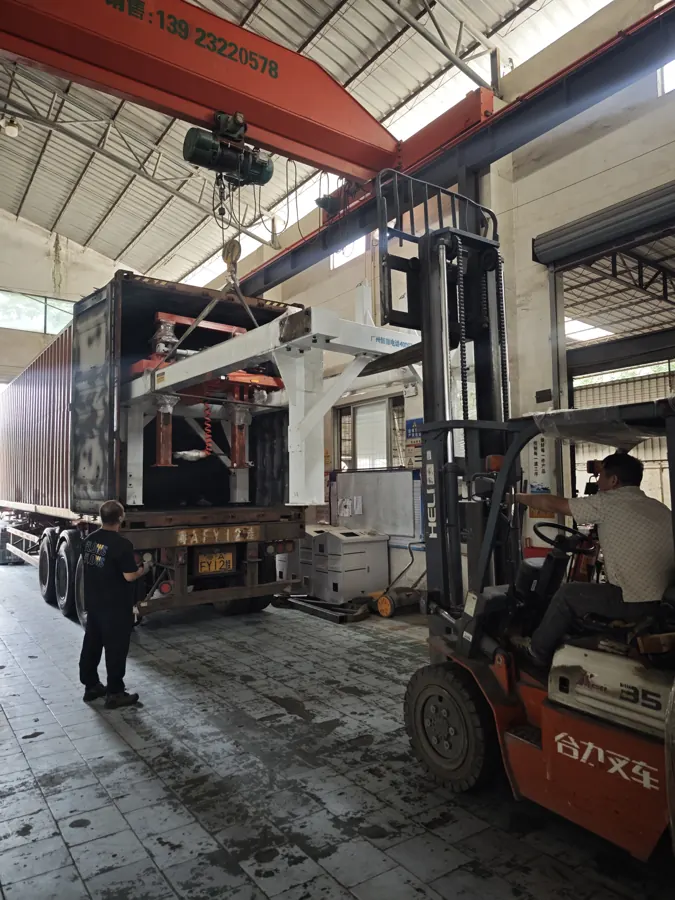
The customer supplied ceramsite for a material trial at HENGDE. Workshop photos and videos dated September 29–30, 2026 show the incoming aggregate, trial mixing, mould operations, cutting and a cut trial piece. This is the customer’s material taken through manufacturing steps, not a factory-tour photograph used in place of a test.
1. Check the material and observe mixing
The incoming ceramsite is visible in separate bags and a bulk bag. The trial records show material loading and the mixer in operation; close-up photographs show the aggregate incorporated into the grey trial mixture. HENGDE can examine particle distribution, coating and the mixture’s behaviour before selecting the next trial adjustment.
2. Follow the mixture through the mould
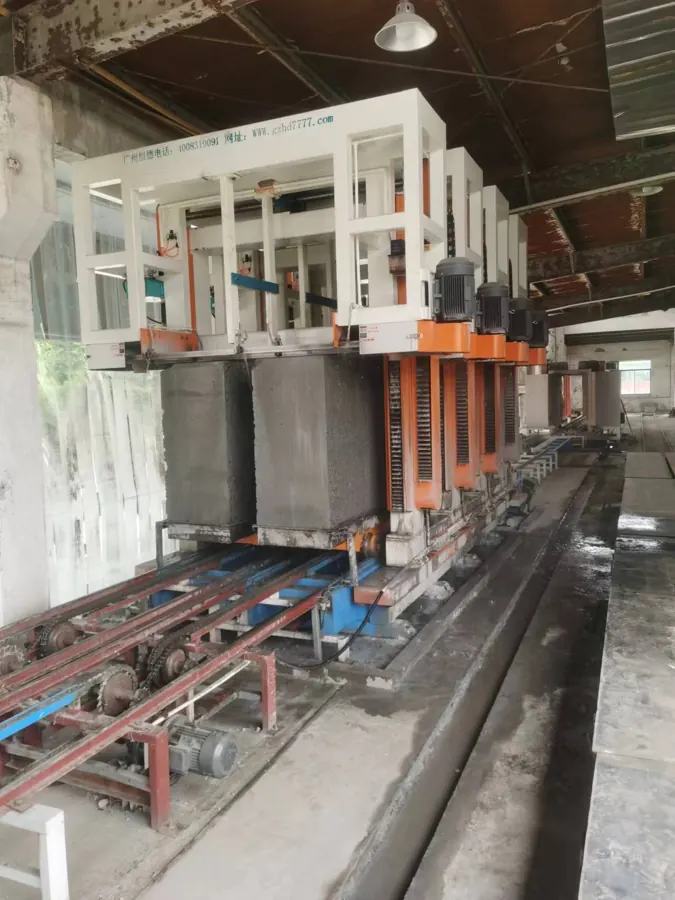
A video records discharge from the mixing equipment into a mould. The next day’s records show mould handling and demoulding before cutting. Following these stages connects material behaviour with release condition, transfer and the production timetable—the information needed to plan mould circulation and curing space.
3. Cut the trial body and inspect a cut piece
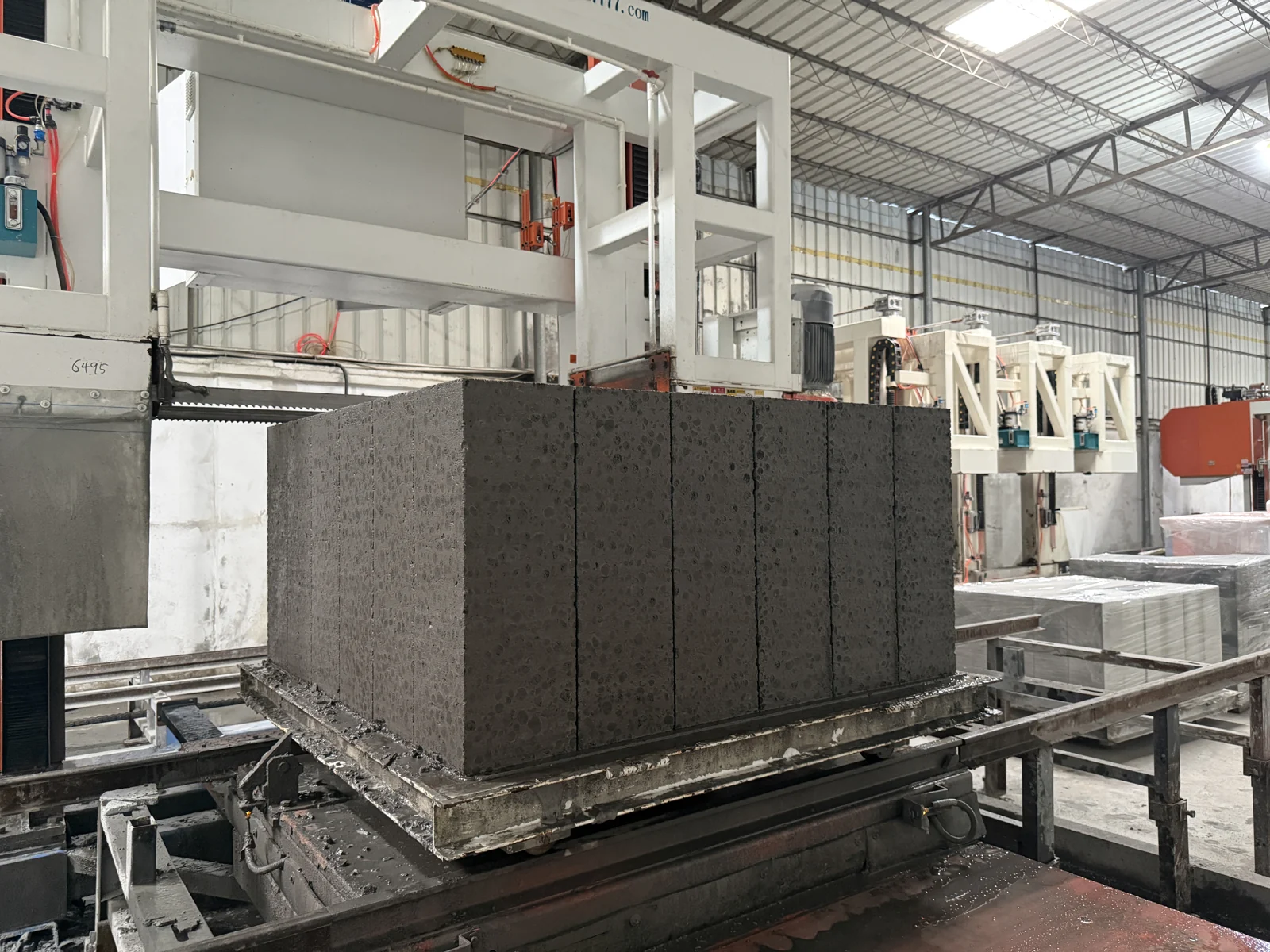
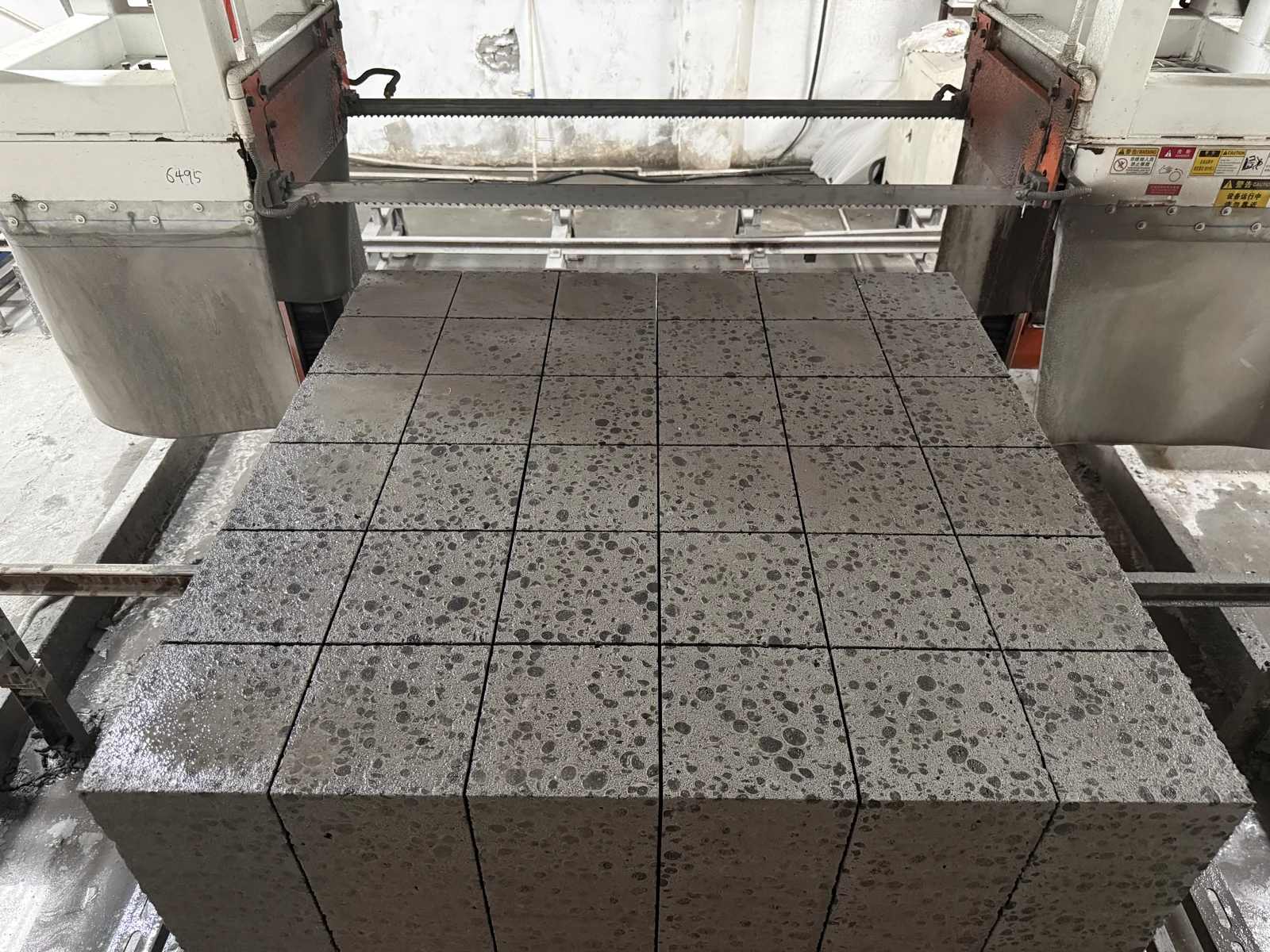
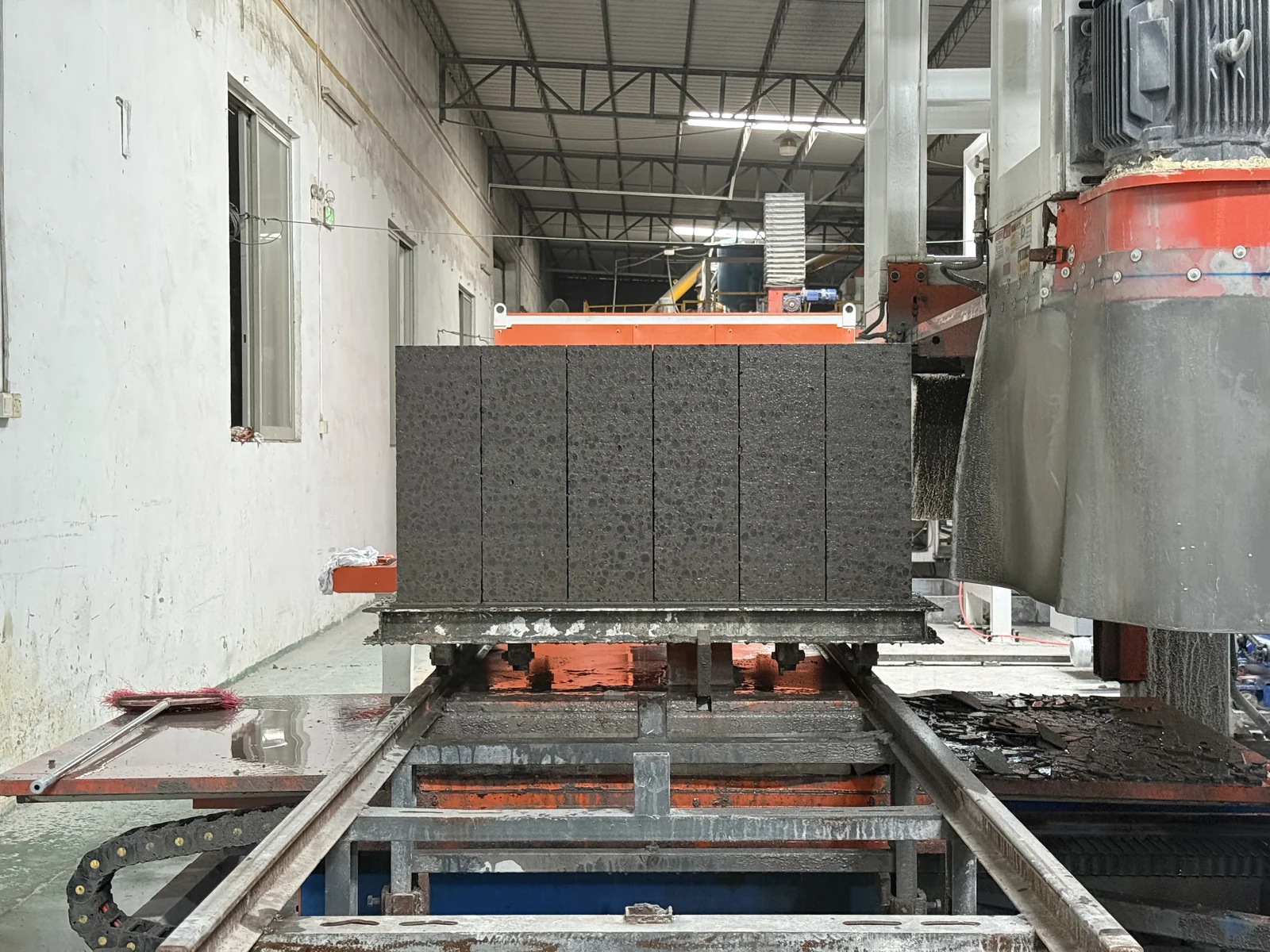
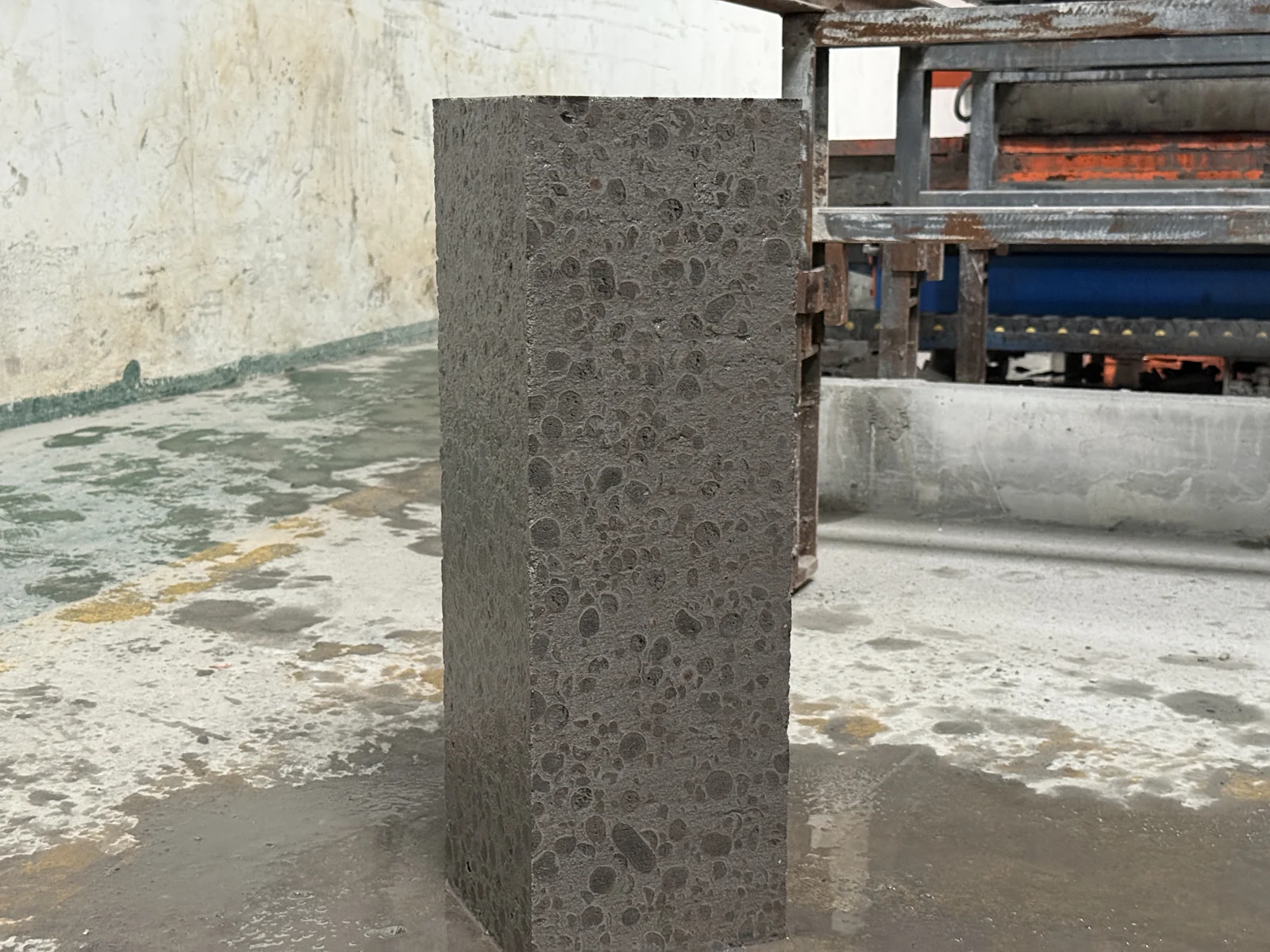
The September 30 records show the trial body on HENGDE cutting equipment, the cutting run and a cut piece held for inspection. This brings the material question into contact with real equipment: how the body transfers, how it responds to cutting, and what its cut face and edges look like. The updated photographs below document the Taiwan customer’s ceramsite cutting trial on October 14, 2026, showing the trial body on the cutting line, its cut surfaces and an individual cut sample.
What this trial establishes—and the next qualification step
The record shows that the supplied ceramsite was incorporated into a trial mixture and that trial bodies reached mould handling and cutting, with a cut piece available for inspection. That is concrete evidence of the processing work HENGDE carries out with customer materials.
Product qualification then measures identified specimens for the required density, strength and other applicable properties at stated test ages and conditions. Mixing and cutting observations guide engineering; measured product results establish acceptance. We keep these two conclusions distinct, so the equipment proposal is based on the work actually completed.
How the findings guide your equipment configuration
| What the trial examines | What HENGDE uses it to plan |
|---|---|
| Material size, grading and incoming condition | Receiving, storage, preparation and feeding arrangements. Screening or conditioning belongs in the proposal when the selected material and process require it. |
| Mixing behaviour and water input | Metering, water control, mixer arrangement and mixing procedure. For foamed CLC, foam generation and mixing are evaluated with the slurry. |
| Release and handling condition | Mould turnover, holding space and transfer sequence, coordinated with mould volume and the working shift plan. |
| Body response during cutting | Cutting arrangement, body support and handling interfaces, together with the intended product dimensions and required checks. |
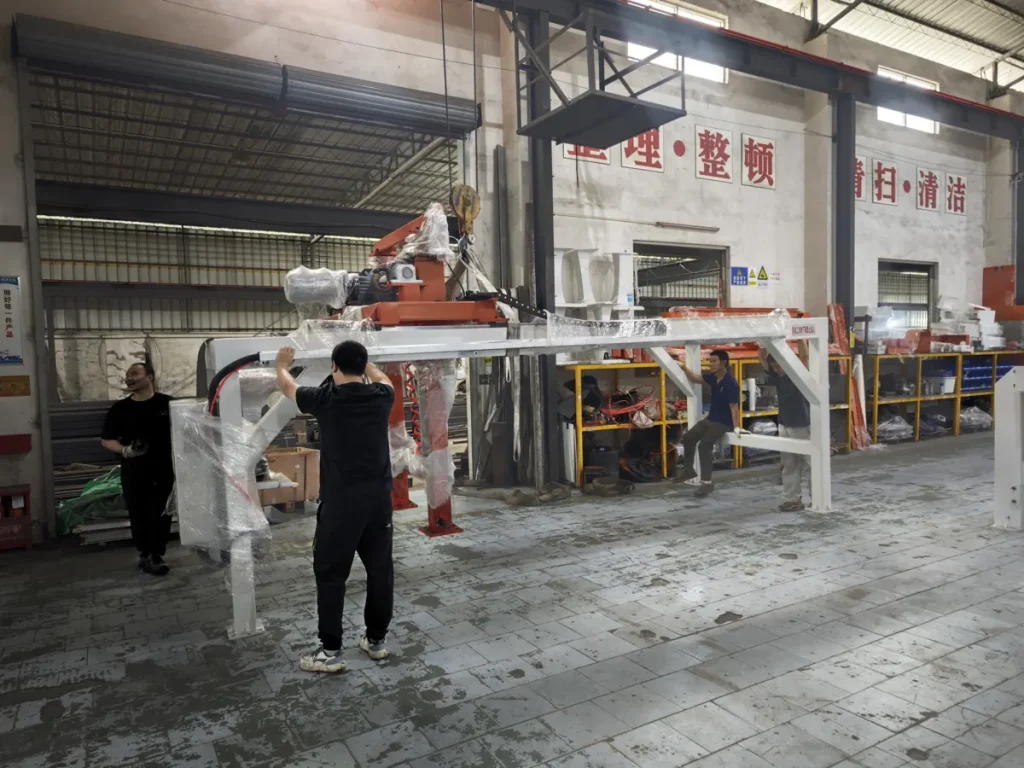
HENGDE brings these findings into one lightweight-block production system and factory layout plan. The aim is to engineer the material-to-product route as a connected line. See the Yuyao ceramsite-block cutting-line upgrade for a separate real-site equipment reference.
What to send for your own assessment
Start through our raw-material assessment service with photos and available reports. HENGDE agrees the required materials, sample quantity and collection method with you before physical samples are dispatched. Keep suppliers and batches separate.
| Include | Useful information |
|---|---|
| Sample identity | Sample number, material name, source or supplier, delivery batch, collection point and sampling date. |
| Condition and reports | Wet/dry condition, storage photos and available grading, moisture, absorption or composition reports. |
| Other mixture inputs | Binder grade, admixture identity and available supplier data. |
| Product brief | Block dimensions, application, density and strength requirements, project country and output/shift plan. |
Example label: SAND-A-01 | Supplier A | delivery batch | sampling date | collection point | wet/dry condition | project contact. Put the same ID on the container, reports and trial record. Label a second supplier SAND-B-01.
Reference calculation: water already carried by wet sand
Illustrative calculation, not a HENGDE formulation. On an oven-dry mass basis, wet mass = dry mass × (1 + moisture fraction). For 500 kg dry sand at 4% total moisture, weigh 520 kg wet sand; it contains 20 kg total water.
With tested absorption of 1% on the same basis and sand wetter than saturated surface-dry condition, free-water contribution = 500 × (0.04 − 0.01) = 15 kg. Account for this in the separately added water rather than treating all 20 kg as free water. At 2% total moisture and the same absorption, free water is 5 kg—a 10 kg difference.
These are demonstration values. Confirm the moisture basis and actual absorption; ceramsite requires its own conditioning assessment. The distinction follows ACI E1-16, section 3.3, not a CLC product acceptance standard.
If you change suppliers: retain the original sample and trial as the reference, identify the replacement separately, and compare its material properties and the relevant trial results before carrying the old settings into production.
Ask HENGDE to Assess Your Local Materials
Upload material photos and available reports, and tell us the block you want to produce. HENGDE will review the supply information and define the next assessment or sample-trial step for your factory.