What to Verify Before Reusing Cutting Water and Fine Material
Cutting-water recovery works best when the factory measures what it returns to the mixer. The recovered stream contains water and fine solids, so adding it without adjusting the fresh inputs changes the batch. HENGDE connects collection and settling with raw-material trials, using a water-and-solids balance and a comparison batch to establish the appropriate reuse route.
Separate the recovered materials before selecting equipment
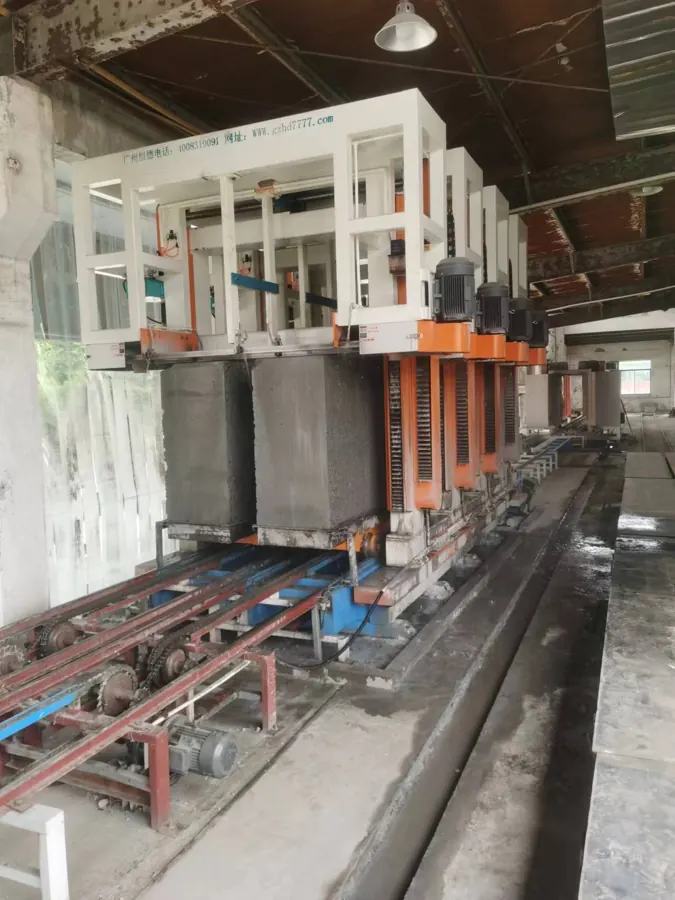
Map the cutting-water route from the saw through drainage, collection, settling and recovered-water storage. Keep settled sludge, larger cut pieces and cleaner overflow identifiable. They have different solid content and handling requirements. Oil, cleaning chemicals and unrelated workshop waste must stay outside this production-recovery stream.
The collection and return arrangement needs more than a pit. HENGDE reviews the drainage route with the cutter, access for solids removal, storage, the return connection and the point where the batch meters the recovered input. Pumps and dosing arrangements must match the actual stream and required operating conditions.
Give the site team a way to sample the material actually going back to production. A sample from clear water above a tank does not describe concentrated sludge at the bottom. Settling and storage can change the stream between collection and reuse.
The water-and-solids balance
Use mass measurements rather than treating a litre of slurry as a litre of clean water. If a recovered sample has a measured dry-solids mass fraction s and the batch receives recovered mass M, then dry solids equal M × s and water equals M × (1 − s). Account separately for water carried by other wet materials.
| Illustrative input | Calculation | Amount entering the batch |
|---|---|---|
| Recovered slurry mass | Assume 100 kg | 100 kg of water plus solids |
| Measured dry-solids fraction | Assume 20% by mass | 100 × 0.20 = 20 kg dry solids |
| Water carried by that slurry | 100 × 0.80 | 80 kg water |
| Fresh-water adjustment | For an assumed 200 kg total-water target: 200 − 80 | 120 kg fresh water, before corrections for other wet inputs |
This is an arithmetic example, not a recommended reuse percentage or a HENGDE production recipe. If the validated trial permits the recovered solids to replace 20 kg of a specified mineral filler, that filler addition must also fall by 20 kg. Do not automatically subtract recovered solids from cement: partially hydrated cutting fines are not equivalent to new binder simply because both weigh the same.
Compare a controlled trial with the current baseline
First record a baseline batch using the current approved inputs. Identify its cement and filler batches, total water, foam or aeration settings, mixing sequence and casting conditions. Follow the product through demoulding, cutting and the required product tests.
Then introduce one identified recovered stream at a chosen trial amount, making the calculated water adjustment and any specifically approved solids substitution. Keep the product target, other input batches, equipment settings and test ages comparable. This lets the team assess the recovered material instead of changing several unrelated operating conditions at once.
Compare fresh density and casting behaviour, the demoulding and cutting condition, dimensions, damage and the required finished-product properties. Use the specified test methods and ages for strength or other performance checks. A trial that cuts neatly still needs the relevant final product results before it becomes the operating recipe.
What tells the team to repeat the trial?
Repeat the comparison when the source material, recovered-solids concentration, storage conditions or process route changes. A chemical-aeration stream and a physical-foaming stream cannot inherit the same approval merely because both pass through a settling tank. Record the trial conditions that define the approved reuse method.
During production, identify the recovered batch or storage tank, check its condition at the agreed frequency and record the amount dosed. When a measurement falls outside the approved range, hold that stream for evaluation instead of adding it to meet an arbitrary recovery target. Handle unsuitable material and discharge under the site’s environmental requirements.
Connect recovery to the complete factory plan
Send the cutting arrangement, drainage sketch, recovery-stream measurements and current recipe information to our raw-material assessment team. HENGDE can connect the trial plan with collection, settling and the selected block production line, rather than leaving reuse as an unmeasured extra pipe into the mixer.
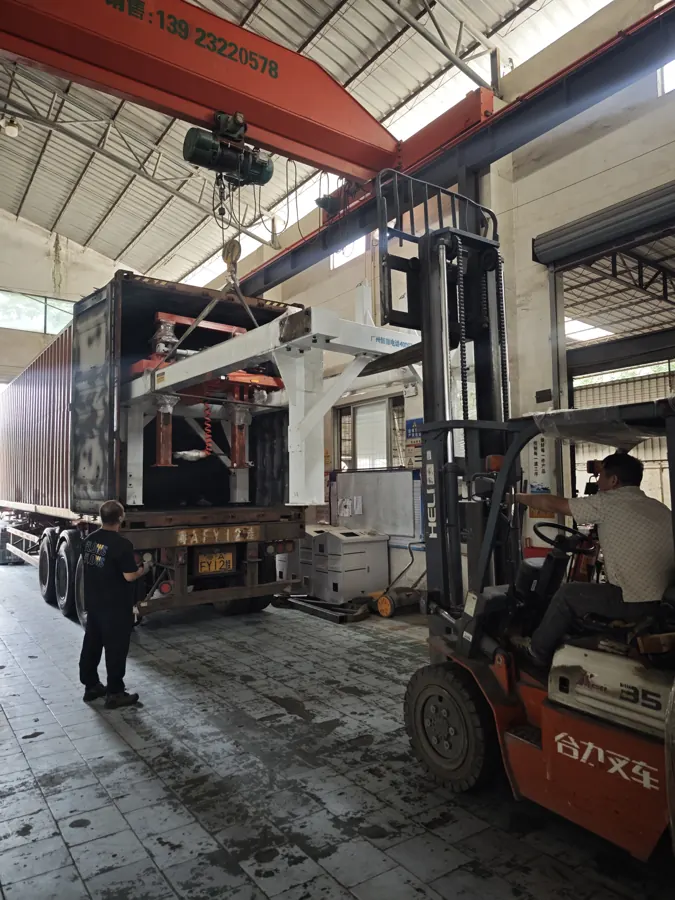
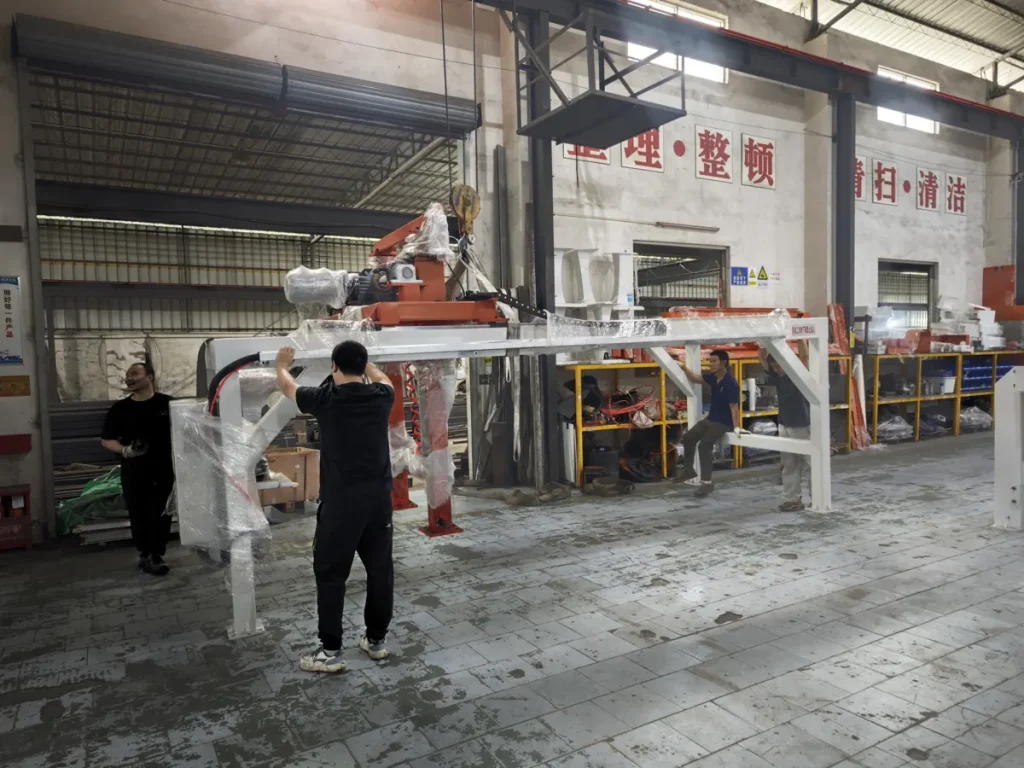
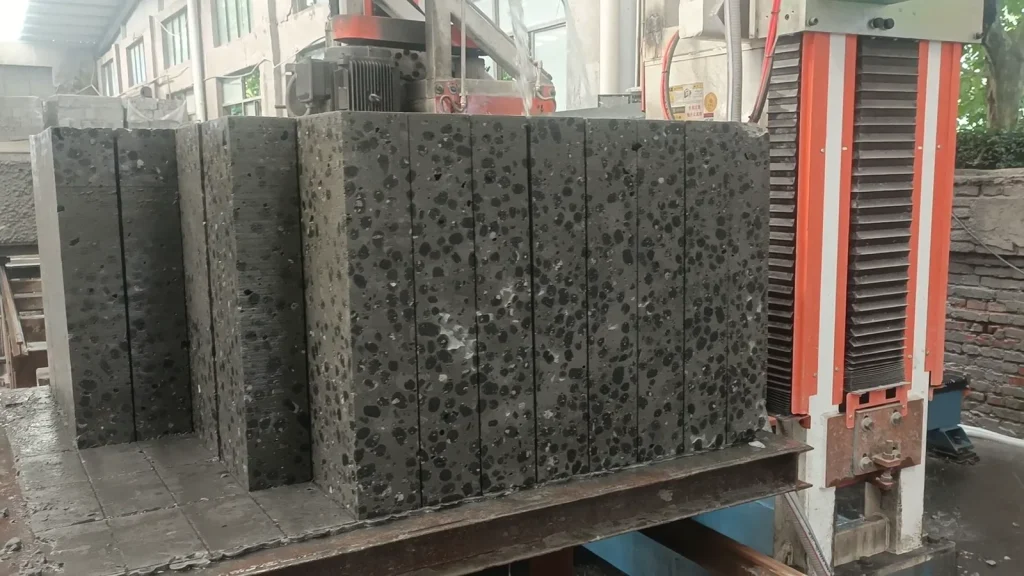
The Yuyao project provides a real reference for block-production equipment and customer-workshop conditions.
Plan a Measured Cutting-Water Recovery Route
Share the cutting process, collected-stream information and drainage plan. HENGDE will review the equipment connections and the batch comparison needed for controlled reuse.