Who Makes and Supports Each Part of Your Block Production Line?
HENGDE combines block-production engineering, equipment manufacturing and project support into one line proposal. For a buyer, that means knowing who supplies each machine, who connects the systems and who handles support after installation. Put those responsibilities beside the equipment schedule before ordering, including specialist components and the facilities your local team prepares.
Manufacturing and integration are different responsibilities
A complete production line contains mechanical equipment, motors, controls, sensors and utility connections. A manufacturer can develop its own machines while using components from specialist suppliers. The buyer needs the actual component identity and support route, not a claim that every part has the same manufacturer.
HENGDE’s company materials describe development of cutting, mixing, palletizing and packing equipment, together with line planning and installation support. For your order, the equipment schedule identifies the selected machines and configuration. Confirm the manufacturer or supplier of each major system and the agreed parts support instead of assuming that one company manufactures every purchased component.
The responsibility matrix to agree before the order
| Project item | Responsibility to confirm | Document the buyer should receive |
|---|---|---|
| Equipment layout and process sequence | HENGDE’s engineering scope, customer site information and local design approvals | Layout revision, machine positions and material-flow drawing |
| Supplied machines | Manufacturer or supplier, inspection, delivery and support for each listed item | Model and quantity schedule, identification records and manuals |
| Motors, controls and specialist components | Selected component specification, integration and replacement route | Component list, electrical drawings and compatible part references |
| Foundations and incoming utilities | Customer works, qualified local contractors and the equipment interface information HENGDE provides | Installation requirements and site-preparation list |
| Commissioning and training | HENGDE’s agreed work, customer operators and acceptance activities | Commissioning plan, training topics and handover records |
| Warranty and later support | Contact route, supplied-item coverage and arrangements for purchased components | Contract support terms, fault-report process and parts information |
Fill the matrix with named organizations and responsible contacts in the project documents. Do not leave an interface owned by “the installer” without identifying which team that means. Use one current revision so the customer, HENGDE and local contractors work from the same requirements.
Why the interfaces matter as much as the machines
Follow the production sequence from feeding and mixing to mould circulation, cutting and palletizing. At each handoff, confirm transfer height, body position, load, available clearance and the signals that allow the next machine to receive material. Identify who designs the interface and who verifies it during installation.
Consider an illustrative upgrade that keeps an existing conveyor and adds a cutter. The new cutter’s input specification and the retained conveyor’s actual delivery position must match. If the body arrives in the wrong position, a faster saw cannot correct the upstream alignment. The project team needs an interface drawing and an agreed check, rather than two unrelated machine manuals.
HENGDE’s block-line engineering connects these stages in the selected configuration. For an upgrade, provide the retained equipment list and measurements early. For a new line, include foundations, power distribution, water connections and handling routes in the site-preparation review.
How to verify the manufacturing and support team
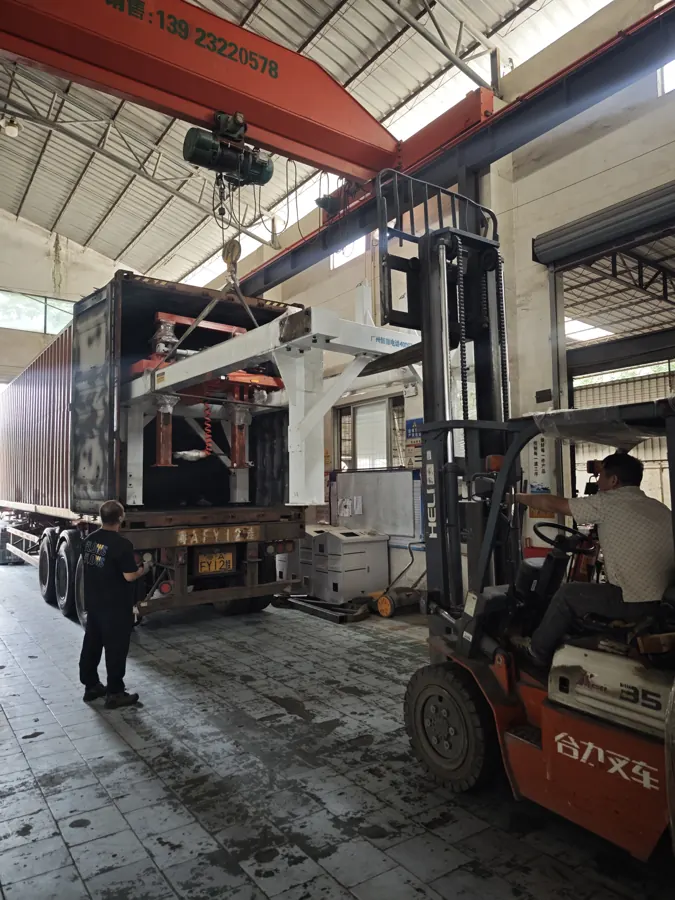
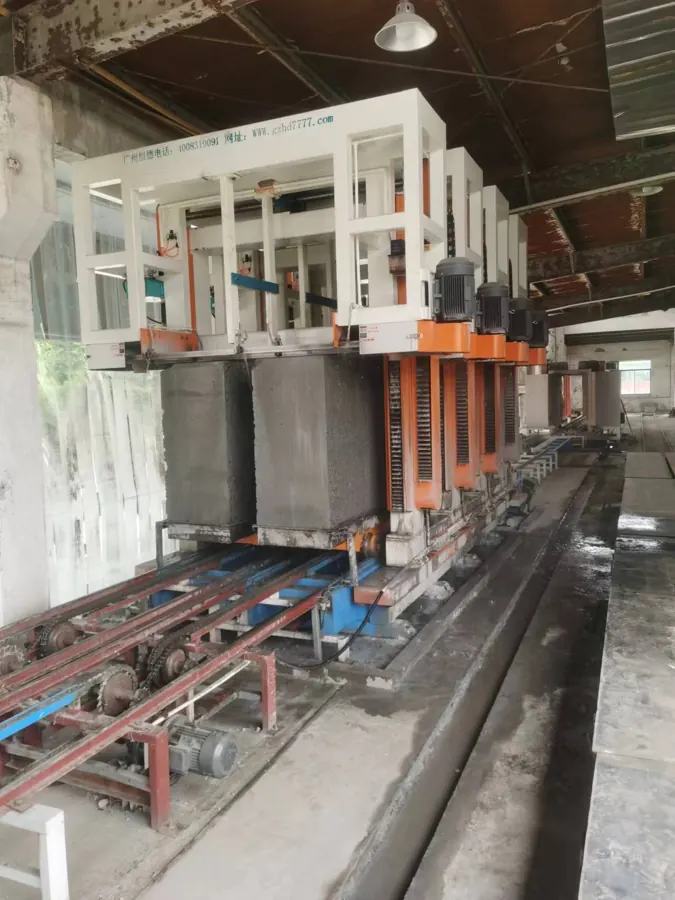
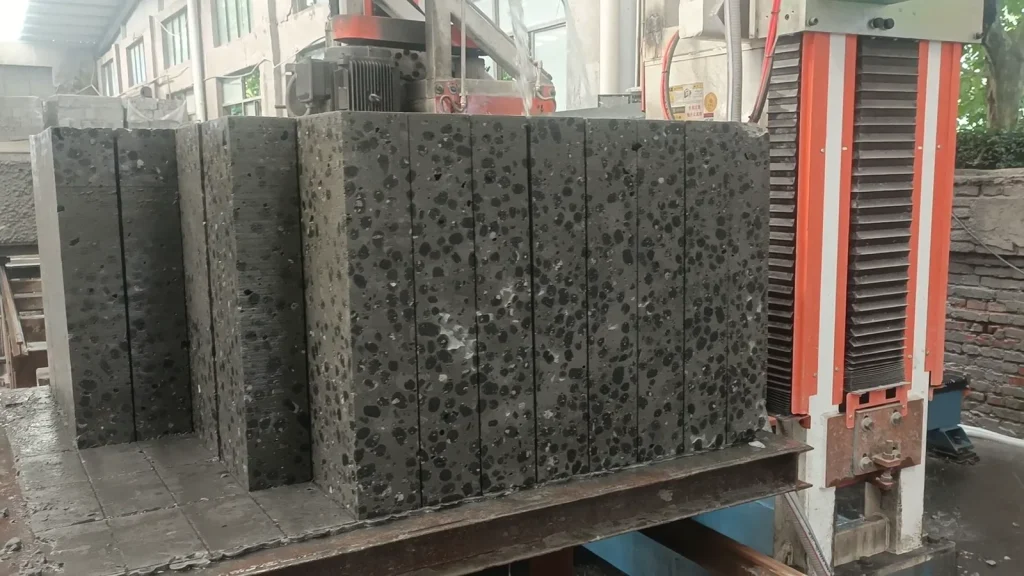
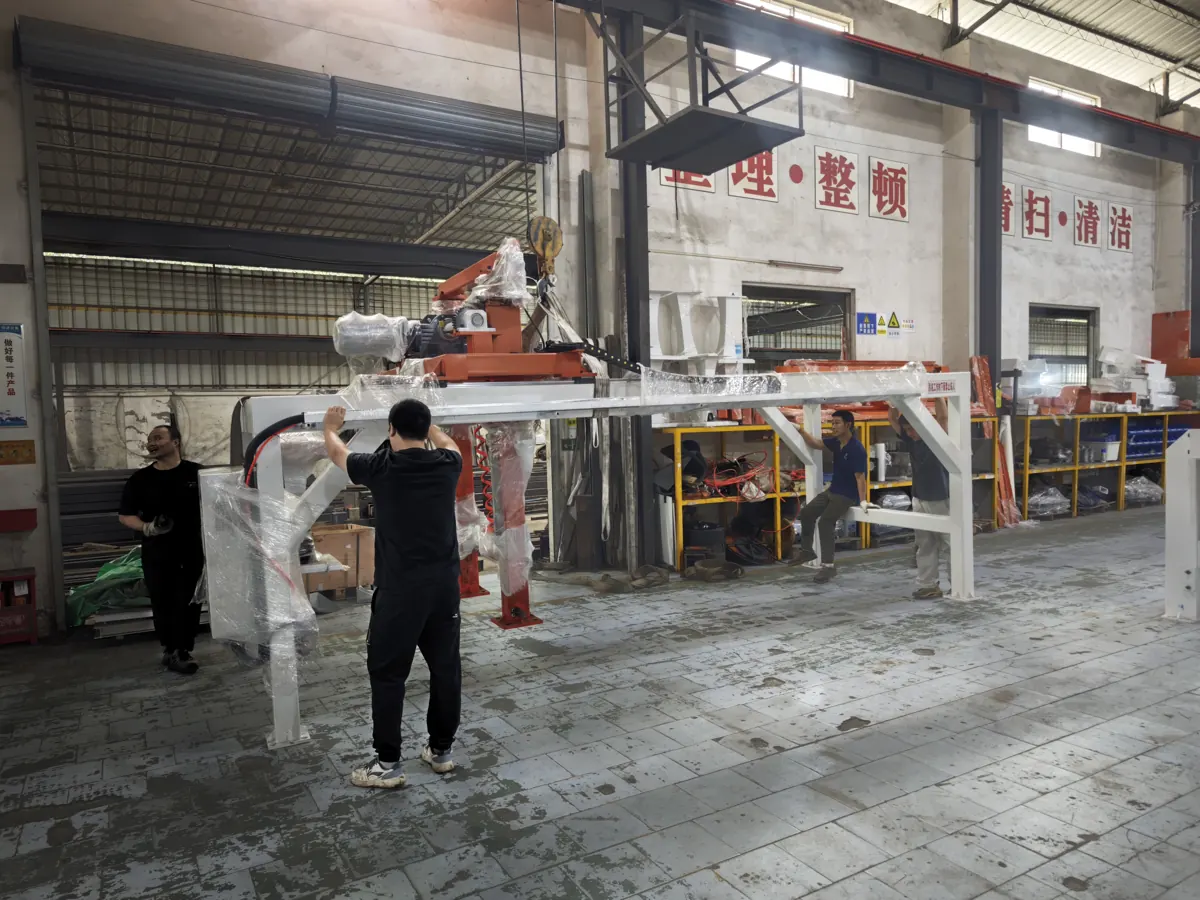
Review the proposed equipment with the workshop team. Match the machines under manufacture to the schedule, drawings and intended product. Ask which configuration the photographs show and which equipment differs in your order. Where specialist components appear on the schedule, record their manufacturer and model from the approved component list or supplied nameplate.
Use customer projects to assess relevant integration experience. The Yuyao AAC-to-ceramsite line upgrade provides real equipment and site photographs. They are a useful reference for integration work, while your own supply matrix defines the responsibilities for your contract.
Ask the support team to explain a fault report using one machine identifier. Which drawings would they use? Which part reference would they ask for?
Who coordinates a replacement? A clear answer shows how the paperwork supports the installed equipment.
What should be complete before shipment?
Review the final equipment schedule, installed-layout requirements, incoming utility interfaces and customer-prepared items. Identify open questions and assign a responsible contact and completion date. Confirm the operating and maintenance documents, the customer team assigned to commissioning and training, and the agreed commissioning work.
HENGDE carries the selected equipment scope through manufacturing, installation coordination and after-sales support. A clear matrix gives the customer one organized project discussion while preserving the actual responsibilities of manufacturers, integrators and local contractors.
Get a Production-Line Scope with Clear Responsibilities
Send your intended product, factory location and any equipment you plan to retain. HENGDE will develop the equipment configuration and the supply, installation and support interfaces with your team.