Factory Acceptance and Site Acceptance for a Lightweight Block Line
A complete block line needs a clear equipment scope, an installation plan and a practical way to judge the finished system. Factory acceptance checks the equipment prepared for delivery. Site acceptance checks the installed line with the project's materials, utilities and operators.
What should a buyer receive before placing the order?
Use three connected documents: an equipment schedule, a factory layout with utility interfaces, and an acceptance checklist. The schedule identifies the supplied machines and quantities. The layout shows how material, moulds and blocks move between them. The checklist states which functions will be demonstrated at the factory and which product tests belong to the installed line.
Start with the complete lightweight-block factory equipment guide. Then compare the CLC physical-foaming production route and the 200 m³/day equipment configuration against your product, shift plan and factory. Acceptance follows the selected configuration; a capacity label alone is not the equipment schedule or a finished-product test.
1. Check the supplied equipment against one schedule
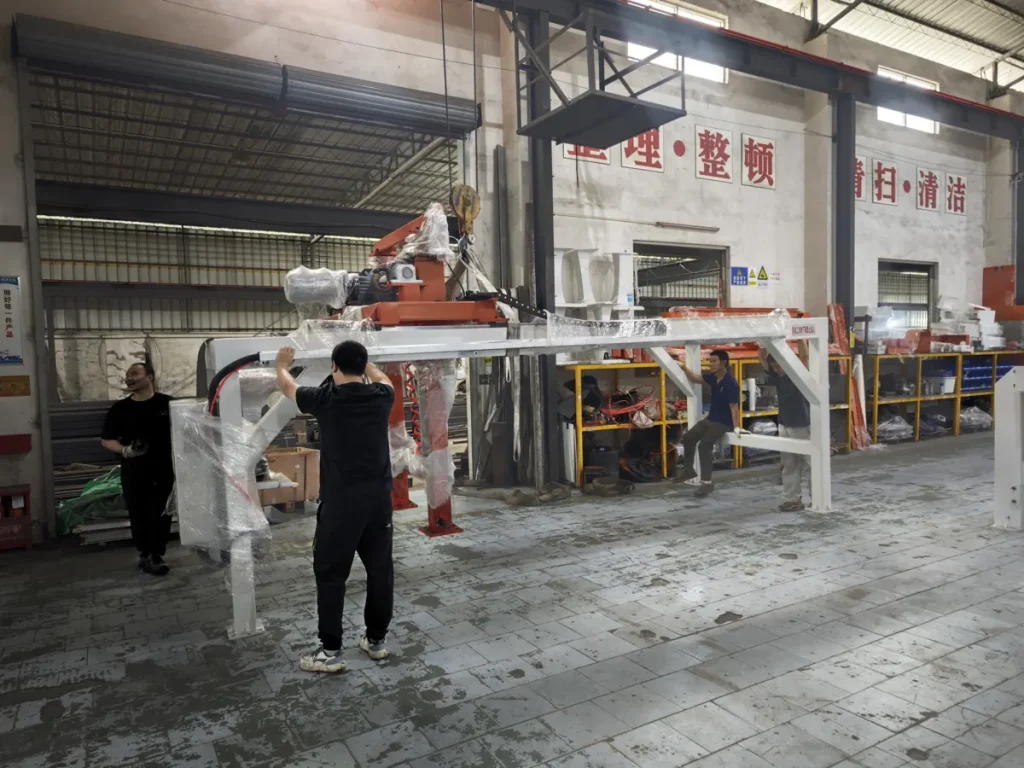
Give every machine or supplied assembly an identifier. Match its nameplate, quantity and connection points to the equipment schedule and drawing. This exposes missing accessories and interface differences before packing.
| Equipment ID / name | Model | Agreed quantity / observed quantity | Drawing revision | Inspection record | Open item / owner |
|---|---|---|---|---|---|
| Enter schedule identifier | Enter nameplate model | Enter both quantities | Enter drawing number and revision | Link dated photograph, measurement or test sheet | Describe action, responsible party and closure evidence |
Include controls, guards, transfer equipment, tooling and the accessories in the agreed supply. List customer-prepared facilities separately so an unfinished foundation or incoming power connection is not confused with a missing machine.
2. Separate factory demonstration from site production
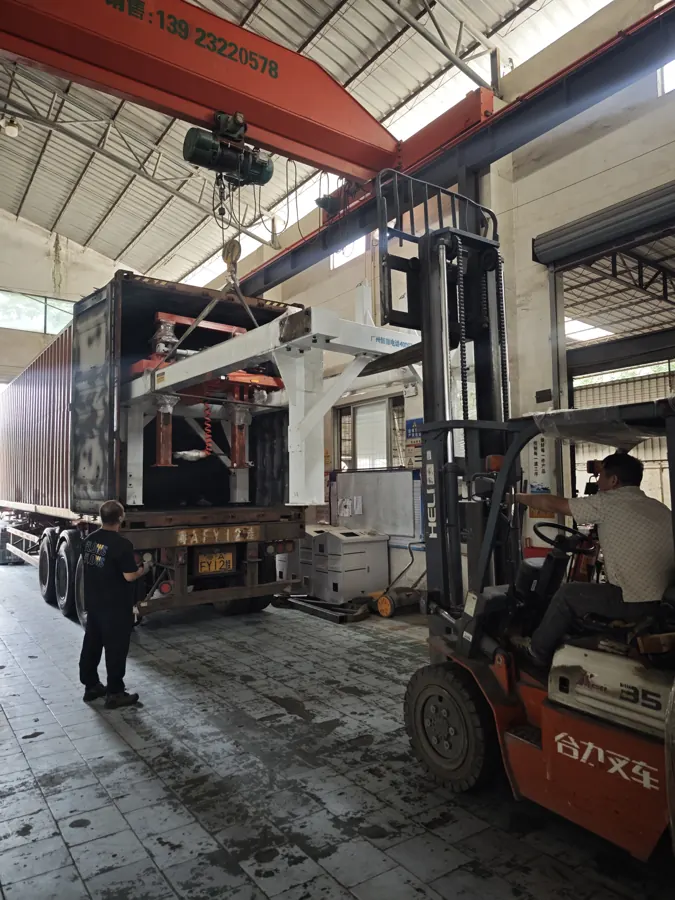
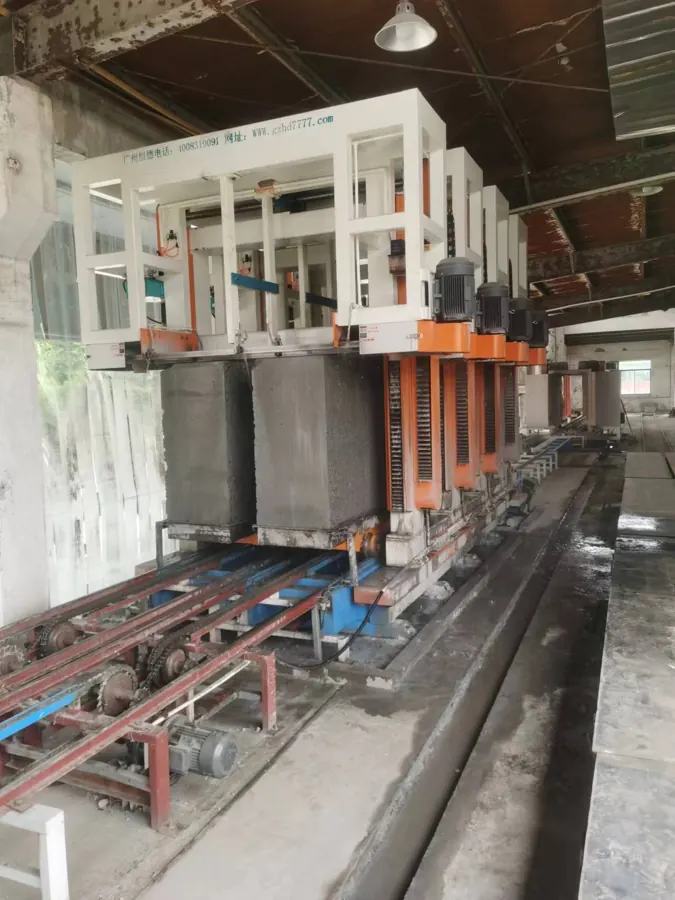
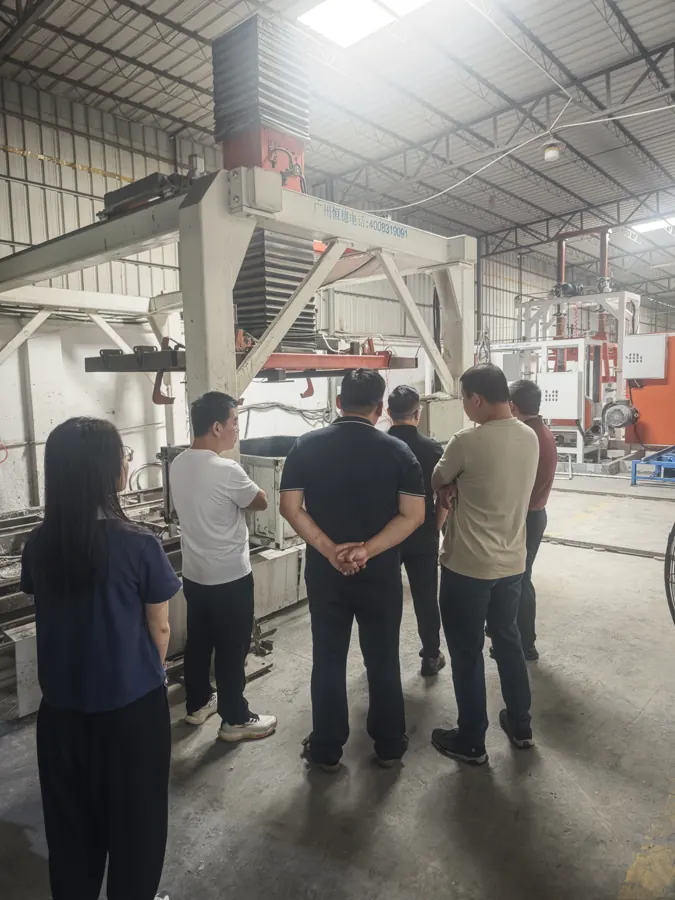
HENGDE connects factory inspection with installation and commissioning. A dry movement demonstration proves the observed machine sequence; it does not establish product strength or the output of a complete material-production run.
| Check | Factory stage | Site stage | Evidence |
|---|---|---|---|
| Identification and assembly | Compare supplied items with schedule and drawings | Check installed positions and interfaces | Item sheet and installation drawing |
| Controls and movement | Run the available dry cycle and agreed control checks | Check the connected sequence under operating conditions | Test steps, observations and action list |
| Material-production batch | Record any available material demonstration and its test conditions | Follow the project’s batch through mixing, casting, curing, cutting and handling | Material identity, settings, timings and product results |
| Operator handover | Review manuals and maintenance access | Practise normal operation, inspection and alarm response | Training topics and completed handover items |
Schedule control and safety checks under the approved operating procedures. Tests requiring the installed utilities, local materials or complete handling sequence belong in the site plan, with the equipment and facilities ready for that test.
3. Judge site results against the agreed target
Identify each trial batch and keep its results together. Compare measurements with the product specification and agreed test method. The worksheet below is a blank project form, not a completed HENGDE acceptance report.
| Item | Method / sample identity | Agreed target | Measured result | Pass / action / retest |
|---|---|---|---|---|
| Fresh density and casting batch | Enter material batch and measuring procedure | Enter project target | Enter result and time | Record decision and action |
| Demoulding and cutting condition | Enter batch age, body condition and settings | Enter agreed condition | Record observed condition | Record adjustment and retest |
| Block dimensions and damage | Enter block sample IDs and measurement method | Enter product drawing limits | Enter measurements and damage count | Record accepted / rejected samples |
| Product tests and production sequence | Enter test standard, sample age and observed operating period | Enter agreed product and operating criteria | Attach results and sequence record | Record decision and remaining actions |
Keep cast volume, cut product and accepted product as separate totals. This makes cutting loss and rejected blocks visible instead of treating every filled mould as saleable output.
4. Close the handover with usable documents
- Equipment schedule and installed layout, with revision numbers.
- Operating manuals, maintenance instructions and spare-parts identification.
- Recorded settings, trial-batch sheets and product test results.
- Completed training topics and the customer team’s operating responsibilities.
- Open-item list: action, owner, completion date and retest evidence.
Close an item when the agreed work is complete and its inspection or retest record demonstrates the required result. Keep remaining items visible in the handover pack. HENGDE’s commissioning and operator-training service connects installation, trial operation and the operating team.
The Yuyao AAC-to-ceramsite block-line upgrade is a related HENGDE retrofit case showing equipment integration. It is not the factory or site acceptance report for the line described in this guide.
Get an Equipment Scope and Acceptance Checklist
Send your product, planned output, project country and factory drawing. Ask HENGDE for the proposed equipment schedule and the factory/site acceptance checklist for your line.