From a CLC Pilot Batch to Continuous Production: A Trial Plan
A successful CLC pilot batch establishes a mixture; a production trial establishes whether that mixture, the equipment and the factory rhythm work together. HENGDE develops the trial around measurable handovers: what enters the mixer, what reaches the mould, when the body releases, and how many acceptable blocks leave cutting and handling.
What changes when the pilot moves to the factory?
A small batch and a production mixer do not have identical mixing action, transfer distance or waiting time. A larger operation also encounters material deliveries, temperature changes, wet stockpiles and repeated cycles. Scaling every ingredient by the same factor does not establish that foam distribution, body development and cutting behaviour will remain the same.
Physical foaming prepares foam before it enters the slurry. The trial therefore follows foam generation, addition, mixing and transfer as one sequence. HENGDE matches that sequence to the CLC physical-foaming route. Chemical-aeration settings belong to a different process and should not be copied into the CLC trial.
Establish three baselines, in the right order
| Trial stage | Question to answer | Useful result |
|---|---|---|
| Material/mixture trial | Can the identified inputs produce the specified product? | Recipe revision, material IDs, measurement method and specimen results. |
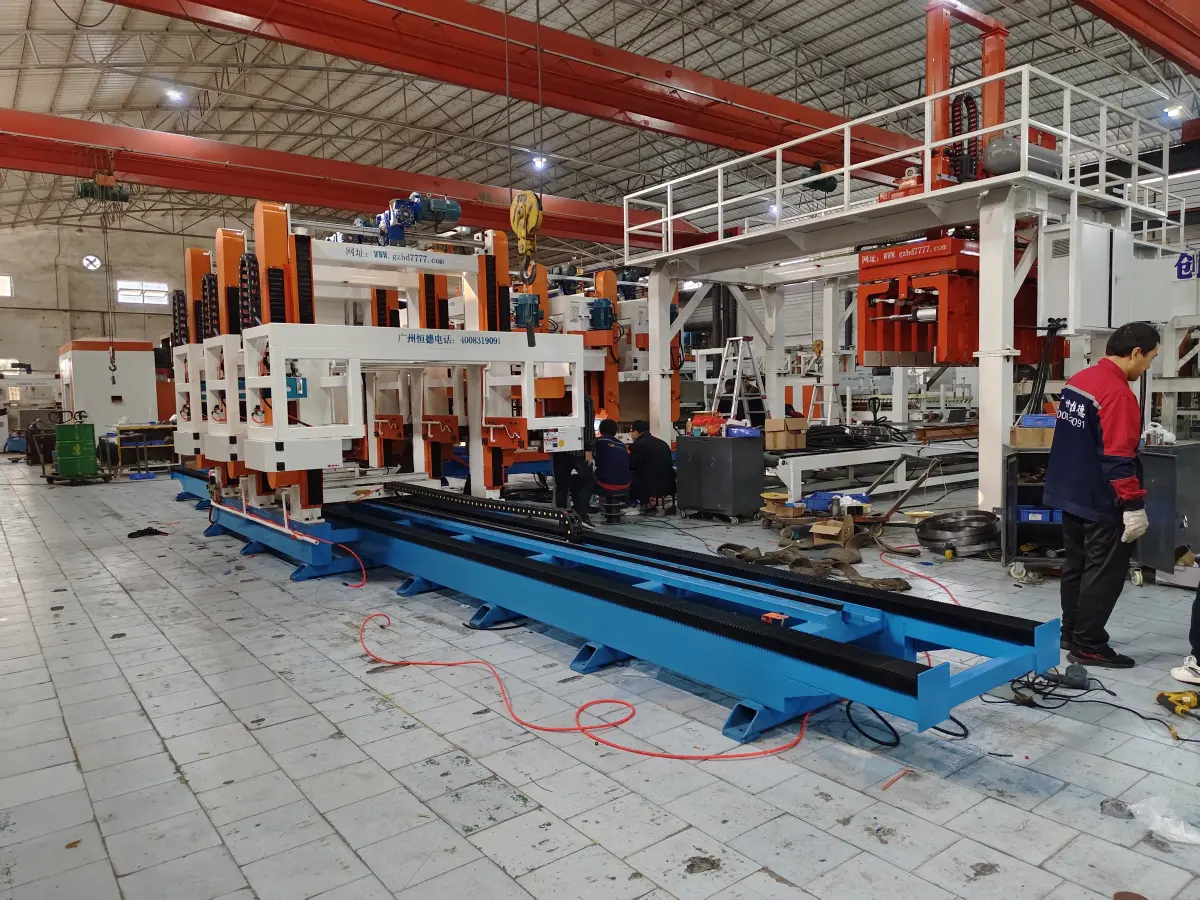
| Equipment trial | Can the actual mixer, foam supply, transfer and moulding equipment repeat the selected process? | Operating sequence, settings, fresh measurements and recorded adjustments. |
| Connected run | Can consecutive batches progress through curing, cutting and handling without an accumulating queue? | Batch timeline, qualified-product results and the identified limiting stage. |
A dry machine cycle establishes movement and control operation. It does not demonstrate material behaviour. One acceptable block does not establish a continuous operating baseline. Progress from the identified mixture to the actual equipment, then run consecutive batches long enough to observe mould return, cutting release and the downstream workload.
Measure what happens between the mixer and the mould
Use a defined container and sampling method to measure fresh density: fresh density = net sample mass ÷ measured sample volume. Record whether the sample was taken at mixer discharge or after transfer. Comparing those locations exposes a change that a final block alone cannot locate. Use the same method each time and link measurements to the batch and recipe revision.
Record actual material weights and moisture corrections, not only recipe setpoints. Include foam settings, addition order, mixing duration, slurry temperature, casting time and any hold before mould filling. Follow the same batch through demoulding, cutting, dimensional inspection and the specified product tests. Fresh density and cured-product density are different measurements; label the specimen age and condition rather than comparing them as identical quantities.
Calculate the connected rhythm, not the mixer maximum
Station planning rate = volume handled per completed cycle ÷ full cycle time. Include loading, unloading, routine preparation and return movements. Then subtract separately recorded interruptions from the observation period. The lowest sustainable station rate identifies the bottleneck in a balanced steady-flow plan; curing and mould availability add their own timing and space limits.
Illustrative example, not a HENGDE equipment rating: suppose a hypothetical line casts 2 m³ every 12 minutes. Its uninterrupted casting rate is 10 m³/hour. In a six-hour observation period with 36 minutes of recorded interruptions, 324 productive minutes allow 27 complete cycles, or 54 m³ of casting.
If the downstream full cutting-and-transfer cycle takes 18 minutes for the same 2 m³ body, its uninterrupted rate is about 6.67 m³/hour. Even with no interruptions, six hours allow 20 cycles, or 40 m³ at that stage. The mixer cannot remove that difference. A buffer can absorb a temporary arrival peak; an increasing queue means the flow or schedule needs correction.
This example is arithmetic, not a promised daily output. The 200 m³ standard-proposal example in our factory guide uses two shifts totalling 16 hours and a specified equipment arrangement. Keep its basis separate from other capacity references and assess qualified finished output through the trial results.
Use the symptom to choose the next test
| Observed pattern | Investigate next | Decision the comparison supports |
|---|---|---|
| Fresh density varies at mixer discharge | Actual dosing, moisture correction, foam delivery and mixing sequence | Stabilize the incoming batch before changing downstream machinery. |
| Discharge is repeatable but transferred material changes | Transfer route, hold time and conditions before casting | Locate the change between the two measurement points. |
| Mixer waits for moulds | Frame/base release, cleaning, return and empty-mould positioning | Correct circulation rather than increasing mixer size. |
| Bodies queue before cutting | Body readiness, loading, cutting, discharge and palletizing times | Separate slow cutting from slow feeding or blocked discharge. |
Keep a normal batch alongside the abnormal one in the review. Change one identified setting at a time where practical, record its purpose and compare the next result. That turns commissioning into a reproducible production baseline rather than a series of undocumented adjustments.
Close the trial with an operating handover
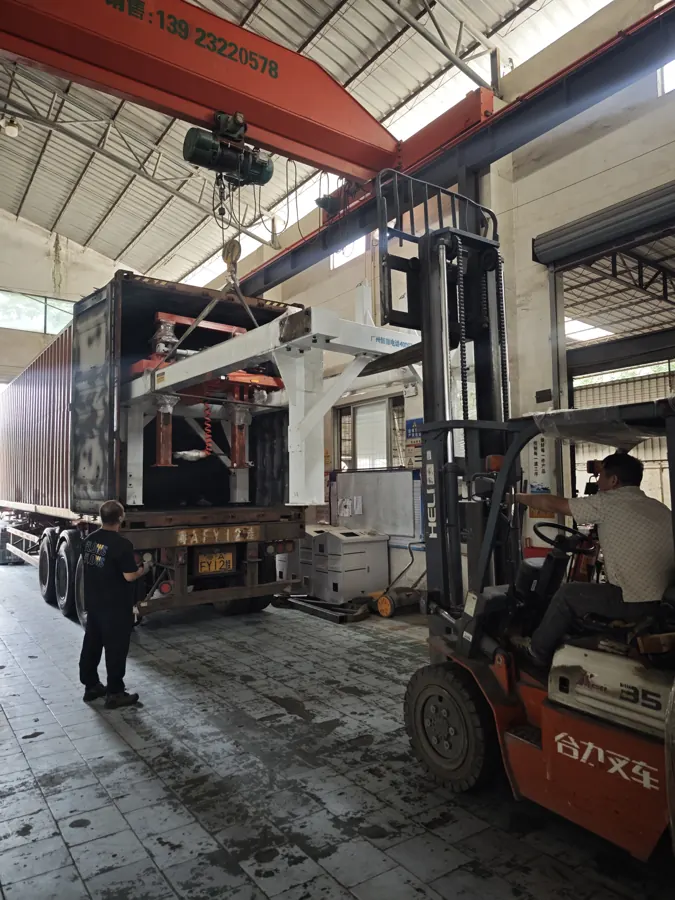
Retain the selected recipe revision, settings, batch timelines, product-test results, operator instructions and remaining actions. The Yuyao line upgrade provides a real integration reference for a different product route, AAC-to-ceramsite conversion. Our commissioning and training service connects the equipment run, process review and operating team.
Plan the Trial That Takes Your CLC Line into Production
Send your materials, product specification, machine arrangement and working schedule. HENGDE will identify the trial stages, measurements and line interfaces to address.