What to Record When a New Block Line Develops Repeated Faults
Repeated stops on a new block line need a structured diagnosis, not repeated resets. Identify whether the event is a safety or control stop, a mechanical interruption, a production delay or a product-quality problem. Then connect the exact event to its machine, operating step and neighbouring process. This gives HENGDE's support team a usable starting point and prevents the same fault from being investigated from zero.
First distinguish a fault from a process wait
A cutter can be idle because it has an alarm, because the next body is not ready, or because discharge is blocked. Those events look similar in an output total but require different actions. “The cutting machine is slow” is therefore not a diagnosis.
| Event type | Evidence that identifies the next check |
|---|---|
| Safety or control stop | Exact alarm text or code, operating mode, step in the cycle and the normal status indication shown to the operator. |
| Mechanical interruption | Position where movement stopped, visible condition observed safely, unusual noise and the immediately preceding operation. |
| Process wait | Whether the station lacks incoming bodies, empty moulds, materials or available discharge space; record waiting separately from machine fault time. |
| Product-quality problem | Batch, recipe, body condition, cutting settings, defect location and whether the defect existed before or after handling. |
Two months of operation is not a universal failure point. Continuous duty can expose an installation, wear, maintenance, supply or operating-condition issue. Use the evidence to locate it rather than treating the calendar as the cause.
Capture a support request that an engineer can use
Record the machine identifier and model, date and time, exact alarm, product or batch, current operating step and the previous successful cycle. Note any recent material, product, maintenance or approved setting change. Preserve the alarm information before resetting it where the operating procedure permits.
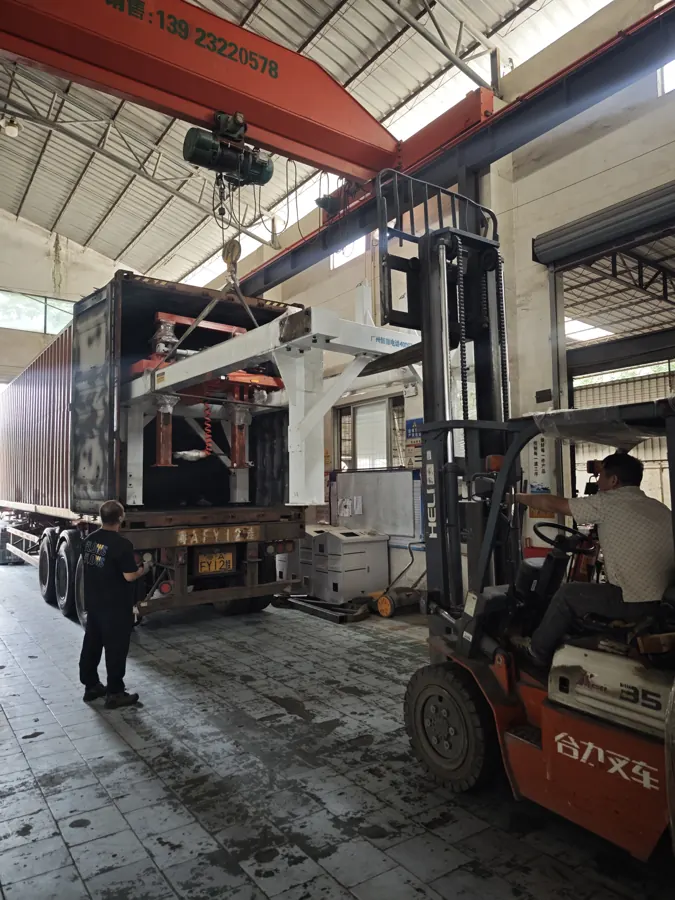
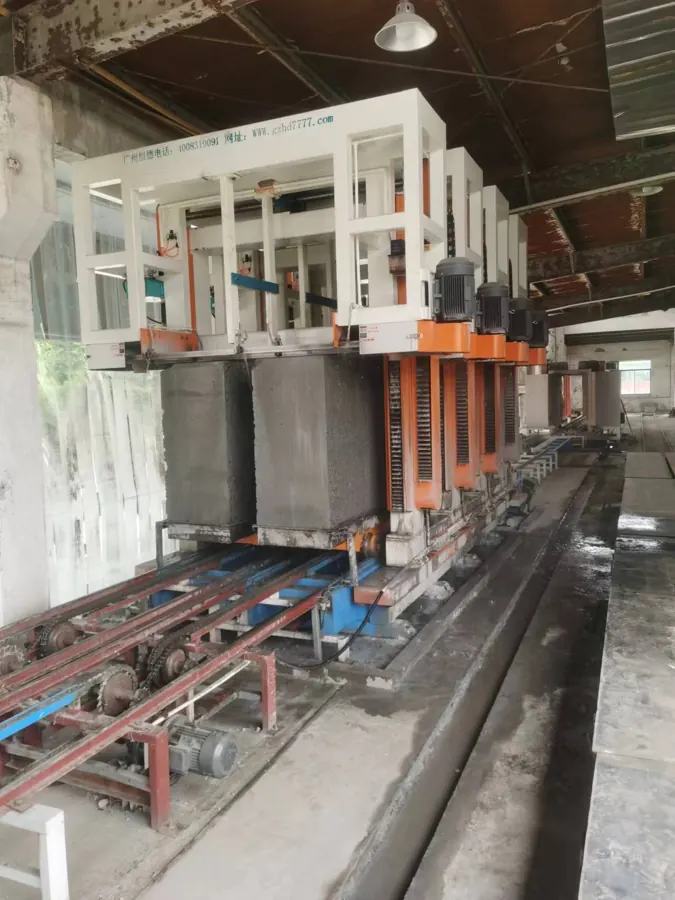
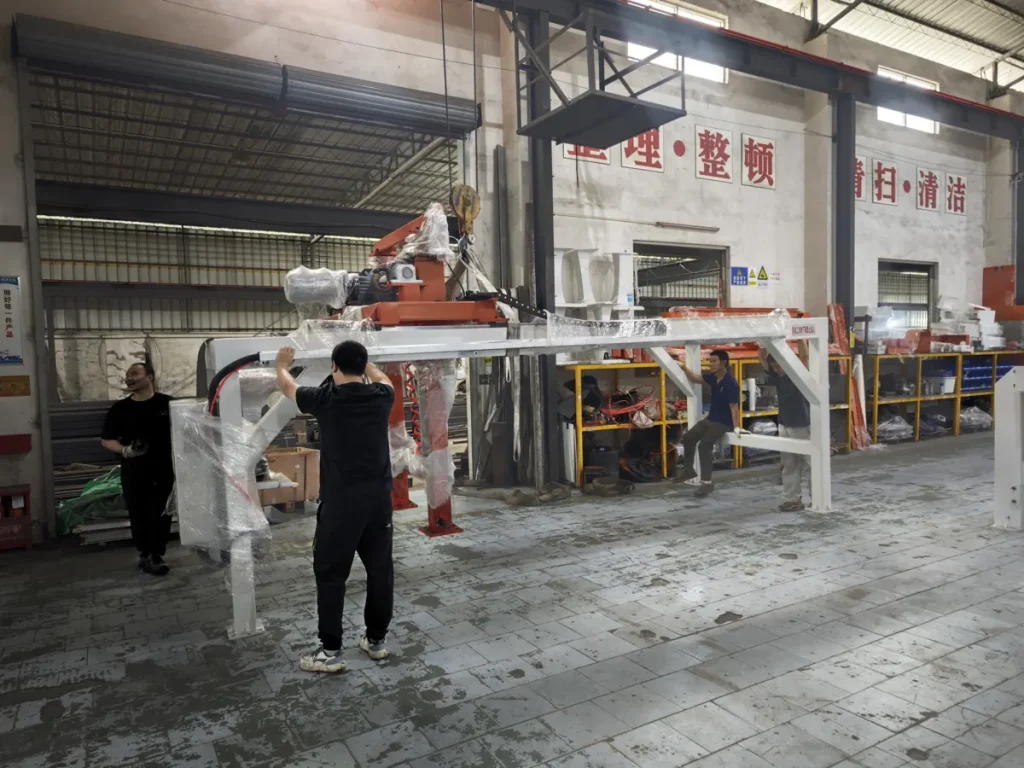
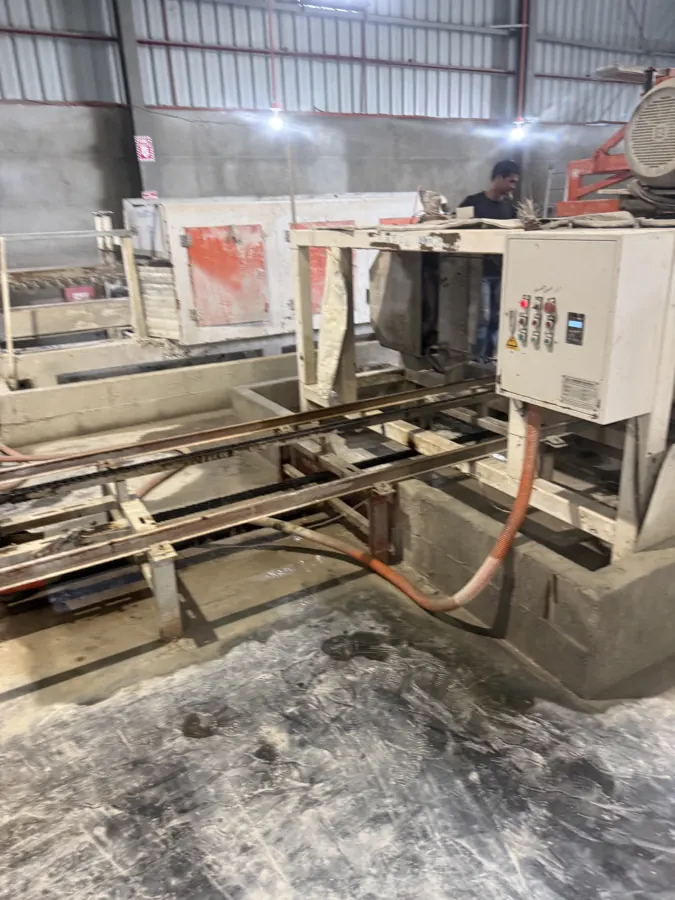
Add a view showing the equipment and its incoming and outgoing stages, plus a close view of the relevant visible condition. Take photographs or video only from a safe position outside guarded and moving areas. Share drawings and controller information through the agreed support channel; do not publish passwords or remote-access credentials.
For example, “stop during the table’s rotation after the first cutting direction; upstream body ready; downstream feed clear” is more useful than “cutter not working.” It identifies the stage to compare with a normal cycle without asserting an unverified cause.
Follow a disciplined diagnostic sequence
- Make the equipment safe. Follow the equipment’s energy-control procedure: stop, isolate and lock out hazardous energy, control stored energy and verify isolation before maintenance or access to hazardous parts. Electrical and mechanical work belongs to authorized, competent personnel.
- Check the process around the stop. Confirm material readiness, body release condition, positioning and discharge availability using the normal operating indications.
- Inspect the relevant mechanical condition after isolation. Follow the maintenance instructions for cleaning, lubrication, fastening, tracks, supports and wear. Do not adjust unrelated assemblies merely because they are accessible.
- Check controls and supply with the responsible specialist. Use the recorded alarm and drawings. Operators should not probe a live cabinet, alter protection settings or change PLC logic as a trial fix.
- Change one identified cause and repeat the check. Record the approved action and result under comparable production conditions.
Never bypass an interlock or protective device to continue production. If a restart immediately repeats the event, or safety cannot be established, stop the trial and escalate instead of resetting indefinitely. OSHA’s hazardous-energy overview explains the risks from unexpected startup and stored energy; the actual maintenance procedure must also meet the site’s requirements.
Measure lost time so the largest problem gets attention
Fault downtime = time production is prevented by the fault, from the defined stop to verified restoration. Classify planned maintenance, lack of material and process waiting separately. For simultaneous stops caused by one event, count the line’s elapsed lost time once rather than adding every affected station’s downtime.
Illustrative arithmetic: a line planned to run for 480 minutes loses 30 minutes to one repeated fault and 45 minutes waiting for cut-ready bodies. Fault downtime is 30 minutes; process waiting is 45 minutes. Both affect output, but replacing a machine component will not necessarily remove the body-readiness wait. These assumed times are an example, not a customer-site result.
A simple weekly ranking by repeated event count and lost minutes shows which issue deserves engineering attention first. Keep causes provisional until a corrective action is verified.
Close the event with evidence and prevention
Record the confirmed cause, action, changed part or approved setting, person responsible and restart checks. Observe the production conditions in which the fault previously occurred and document whether it returns. Update the operating or maintenance instruction when the verified correction changes the routine.
HENGDE supports the complete block-line sequence, including the interfaces between cutting, transfer and palletizing. Our after-sales service connects the fault record with equipment identification, maintenance and the appropriate technical support. The real Philippines customer-site project provides an equipment and site-visit reference.
Get a focused review of your repeated line stop
Send the exact alarm, equipment model, operating step, batch information and a safely recorded view of the sequence. HENGDE will review the event with its connected stages and coordinate the next diagnostic action.