How to Reduce Lightweight Block Line Investment Without Sacrificing Output
HENGDE plans lightweight block factories around the production flow that delivers finished blocks: material preparation, mixing, mould turnover, curing, cutting and handling. We reduce unnecessary investment by sizing these stages together, selecting the right automation and preparing expansion interfaces from the start. The following checklist shows what to keep, what to phase and what to compare before choosing a line.
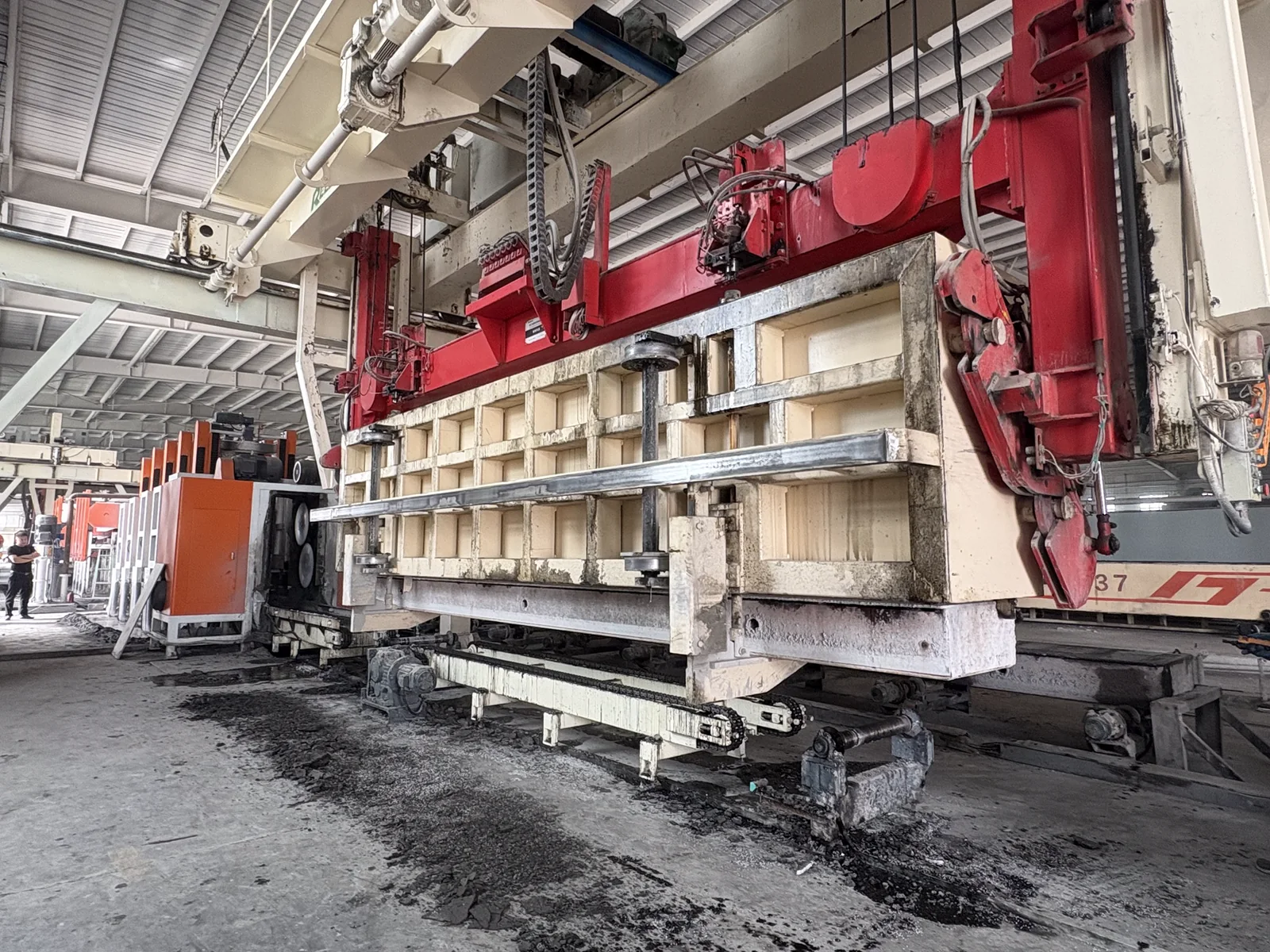
1. Define the output your first phase needs to deliver
Start with the blocks you will sell: dimensions, density range, product mix and expected orders. Then set the production days and shift plan. This gives the engineering team a useful target for the whole factory, rather than a mixer or cutter selected in isolation.
Compare the 50 m³/day CLC line and 100 m³/day CLC line on the same product and shift basis. Keep design casting capacity separate from the finished volume released after cutting and quality checks. For the wider equipment and process choices, start with our lightweight block production-line range.
2. Compare complete factory scope, not a short machine list
Put competing proposals into the same scope checklist. Mark each item as included, supplied locally or reserved for a later phase, and name the party responsible for it.
- Materials and preparation: storage, feeding, metering, water supply and the preparation required by the selected raw materials.
- Mixing and casting: the mixing system, physical foaming equipment for CLC, and the route from mixer to mould.
- Moulds and curing: the production mould fleet, occupied mould time, curing positions and the return route for empty moulds.
- Cutting and handling: loading, cutting, unloading, transfer and stacking. Include the equipment and people that connect these operations.
- Site and start-up: foundations, electrical distribution, installation, commissioning, operator training and initial spare parts.
This comparison makes an omitted cost visible before purchase. It also separates genuine simplification from a quotation that leaves essential work outside the equipment list.
3. Protect the operation that limits production
For an existing factory, record one representative shift: batches mixed, moulds filled, moulds waiting, bodies ready for cutting, cutting cycles, transfer delays and finished blocks released. Record why each stoppage occurred. HENGDE uses this operating sequence to identify the equipment interface that needs attention.
If mould return delays casting, a faster mixer does not solve that delay. If the cutter waits for loading, improving transfer is the first issue to review. If finished blocks obstruct the unloading area, include stacking and dispatch space in the plan. Invest where the measured delay occurs and keep the connected stages balanced.
4. Phase automation while keeping a workable first-stage line
Choose automation by the job it performs. For every proposed manual operation, define the handling method, staffing, travel route and available cycle time. Compare those requirements with local labour availability and the factory’s planned output.
Reserve workshop positions, access routes and electrical interfaces for later additions. Identify which foundations and connections must be prepared before equipment is installed. The first-stage configuration must operate as a complete production flow; the expansion plan then shows the equipment additions and site work required for the next stage.
Do not reduce the mould fleet simply to lower the first equipment total. Calculate the fleet from mould volume, the casting schedule, occupied mould time and the time needed for demoulding, cleaning and return. Our capacity and factory-layout planning service brings these calculations into one layout.
5. Review suitable existing equipment before replacing it
HENGDE carries out both new-line engineering and existing-line upgrades. For a retrofit, start with an inventory of the existing machines, moulds, rails, lifting arrangements and controls. Check condition, dimensions, interfaces, operating records and safety requirements before assigning each item to the new production flow.
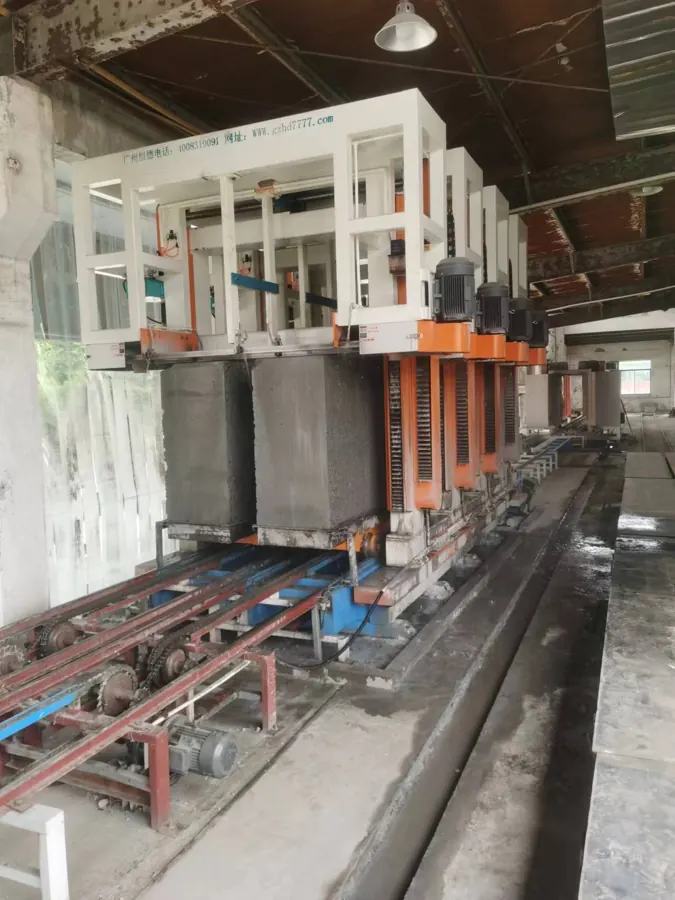
The Aksu simplified self-insulating block retrofit documents a 100 m³/day project design basis with selected automation modules omitted. Its published project photographs show mould preparation, rail operation and mould circulation at the customer site. The separate Aksu six-metre line retrofit shows another retrofit scope. These records illustrate why the retained equipment and the work required at each interface must be listed explicitly.
6. Request an engineering proposal you can compare
Send HENGDE your project country, target products, output and shifts, available raw materials, site dimensions and existing-equipment information. Add your first-phase priorities and expansion plans. We use these inputs to develop the process route, equipment configuration and factory layout.
Ask for a clear separation between first-stage equipment, site preparation, locally supplied items and later additions. Compare the proposals with the same material, product and shift assumptions. Keep quoted design capacity, required operating conditions and the method for checking finished output together in the proposal.
Frequently asked questions
Is manual production always less expensive?
No. A lower equipment purchase total does not establish a lower factory cost. Compare staffing, handling equipment, stoppages, product losses and maintenance as well as the initial machinery. Select manual or automated operations according to the complete shift plan.
When is an upgrade preferable to a new line?
An upgrade is a strong option when usable equipment and factory infrastructure fit the required product and a defined bottleneck can be corrected. HENGDE checks the retained equipment and designs the new interfaces before setting the upgrade scope. A new line is the appropriate comparison when the existing flow cannot support the intended product or operating plan.
Send HENGDE your factory details for a phased investment proposal.
Discuss your production line project with HENGDE.
Share your product, project location, target output and available materials with the HENGDE team.
Discuss Your Project