
Hengde International
Stable Foaming Technology
Trace a density change from the foam outlet to the mould and cured block, then plan a trial with your local materials.
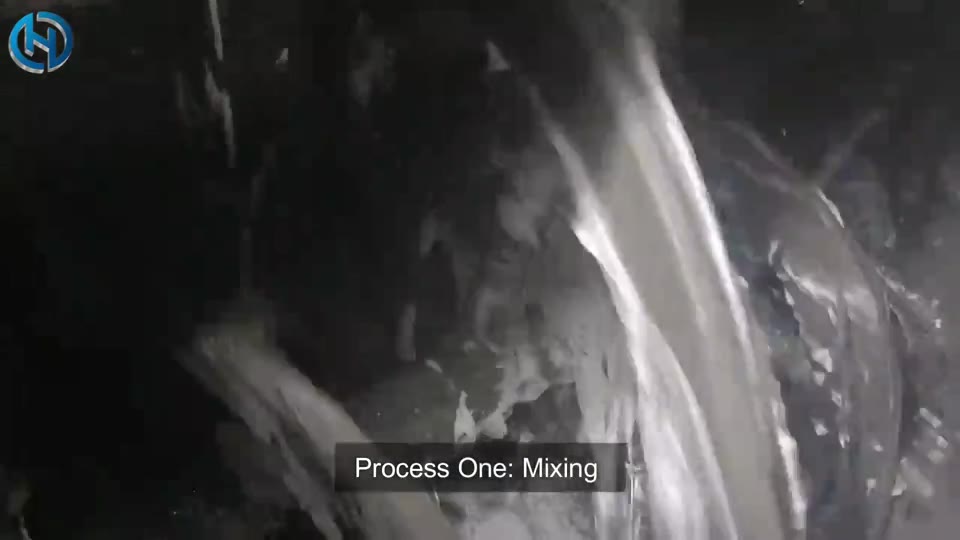
A block can meet its fresh-density target at the mixer and still settle in the mould. HENGDE starts a CLC design with a trial of the local binder, fines, water and proposed foaming agent. The trial follows the material from the foam outlet to a cured sample, so the team can locate where it changes.
Choose the foaming route for the material
In a chemically aerated mix, gas develops inside the slurry. Raw-material fineness and reactivity, batch temperature and mixing time affect when the mix rises relative to setting. An early rise can subside while the body is still weak. Uneven rise, collapse and density differences are reasons to inspect the raw materials and the timing together. HENGDE’s NAAC route uses chemical aeration and non-autoclaved curing. Watch a long mould during chemical aeration.
For physical prefoaming, the generator makes the foam separately. An operator can inspect the foam before introducing it to the slurry. This gives the team two separate checks when a batch drifts: the foam arriving at the mixer and the slurry receiving it.
Generate the foam, then mix it into the slurry
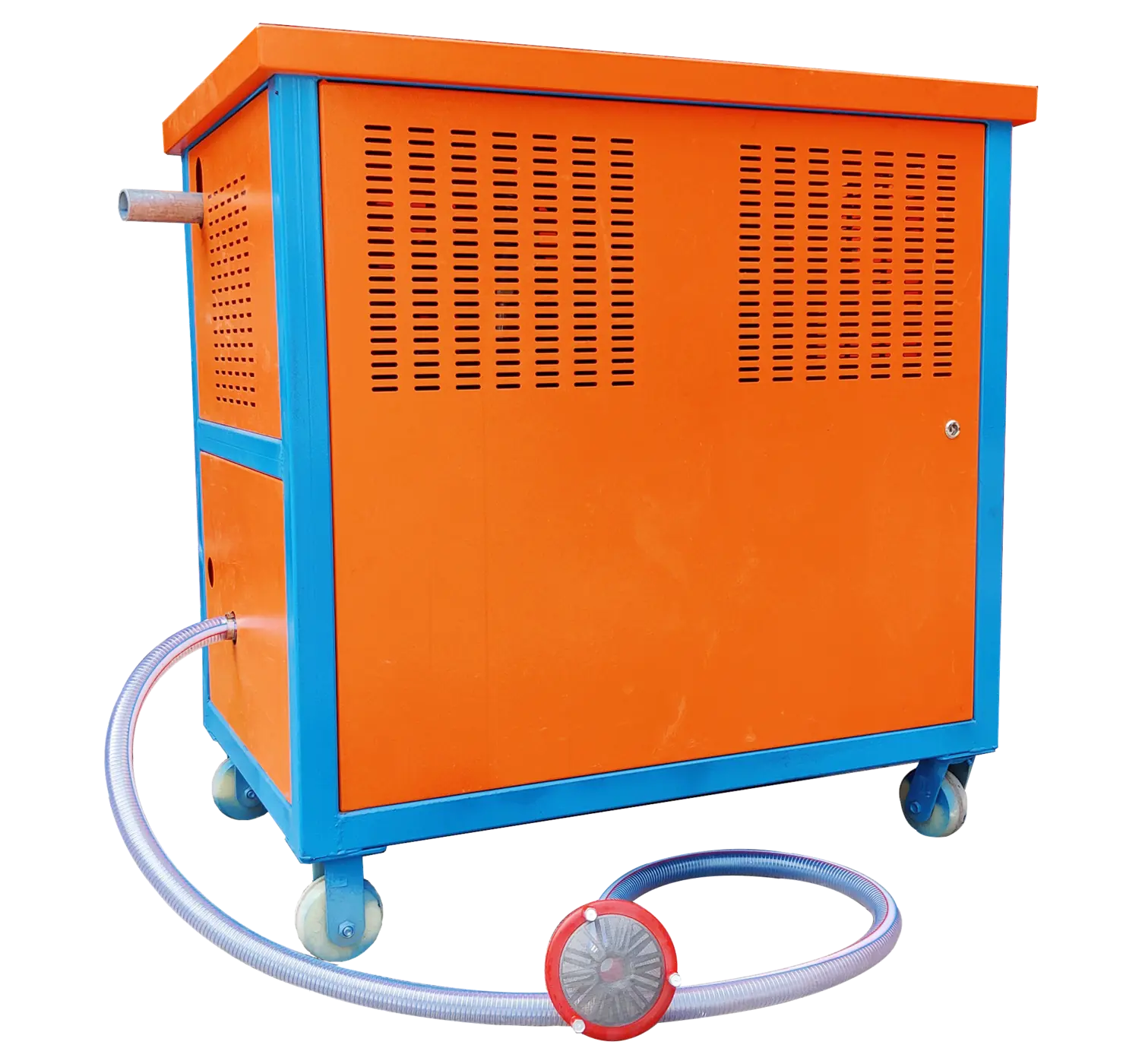
Prepare the cementitious slurry to the trial consistency. Check a known volume of freshly generated foam, then meter the planned amount into the mixer. The horizontal mixer must distribute bubbles throughout the batch. Excessive mixing can break them, while incomplete distribution can leave different densities within the same mould. Record the addition sequence, mixing time and fresh density at discharge.
Adjust the formula with local samples
Identify each binder, filler and water source. Record the moisture condition of sand or fines and any variation between deliveries. Where EPS or lightweight aggregate is proposed, the trial must also show whether the particles stay distributed and how the cured sample behaves. Share the product dimensions, target dry density and required strength before the trial.
- Establish a baseline. Label the samples and record a repeatable mix, foam addition and mould-filling sequence.
- Separate the variables. If fresh density shifts, compare foam output, slurry consistency and delivered foam volume. Adjust the selected setting and repeat the check.
- Follow the block past the mould. Watch the fill level through setting, then inspect demoulding, both cut faces and the cured sample. Measure dry density and strength against the project specification. Review curing and moisture changes separately if cracks develop later.
What can a trial show? A customer in Taiwan sent ceramsite aggregate to HENGDE. The workshop record follows the aggregate through mixing, mould filling and cutting. Inspecting a cut sample helps the team assess how the particles are distributed. Use separate tests to check density and strength against your specification. See the Taiwan ceramsite trial and cut sample.
What goes into the factory proposal?
The engineering team uses the trial record to select the process route, mixer and foam-generator arrangement, mould circulation and checks for the first production batches. Operators need agreed sampling points and a record of what to do when density or the cutting condition changes.
Send your material samples and trial information or Talk to Our Engineering Team.
CLC Block Production Line · HENGDE Core Technologies · Precision Cutting Technology