
Hengde International
Precision Cutting Technology
Follow the billet from demoulding to the finished face, and see how HENGDE measures kerf and controls dimensions.

When two ends of a block measure differently, check the billet support, the cutting path and the transfer points. A square cut can still arrive at the stack with a damaged edge. HENGDE reviews the whole sequence when selecting a cutter for a new factory or an existing line.
What the eighth-generation system controls
The HENGDE 8th Generation Intelligent Cutting System keeps the billet on the line. Its 360° rotary cutting arrangement changes the cutting direction while the billet stays on its support. Servo CNC control guides the cut, with front-to-back and side-to-side compensation for dimensional corrections.
- ±1mm Cutting Accuracy. More consistent dimensions help reduce taper between the two ends of a block.
- 1.7–2mm Blade Kerf. A narrower kerf removes less material on each pass and leaves more of the billet available for finished product.
- Size Changeover Within 1 Minute. CNC size adjustment shortens the time between product settings. Record the time to the first accepted new-size piece separately when assessing the whole line.
These are HENGDE’s manufacturer specifications for the applicable eighth-generation system. The proposal identifies the actual machine and mould arrangement.
Why the saw and the handling route belong in the same decision
With a circular saw, the width of the blade cut affects how much of each billet is lost. On a reciprocating setup, check for blade movement and for taper after repeated clamping and positioning. For either arrangement, mark the billet before transfer so the team can see where a dimensional change or damaged edge first appears.
On the rotary line, top and bottom peeling and side trimming remove the outer faces to the planned dimensions. Review square or long moulds, dry or wet cutting and blade access for quick replacement against the material and factory layout. Simultaneous handling of several billets depends on the model.
From demoulding to the finished cut
These HENGDE factory views show three inspection points across workshop demonstrations.
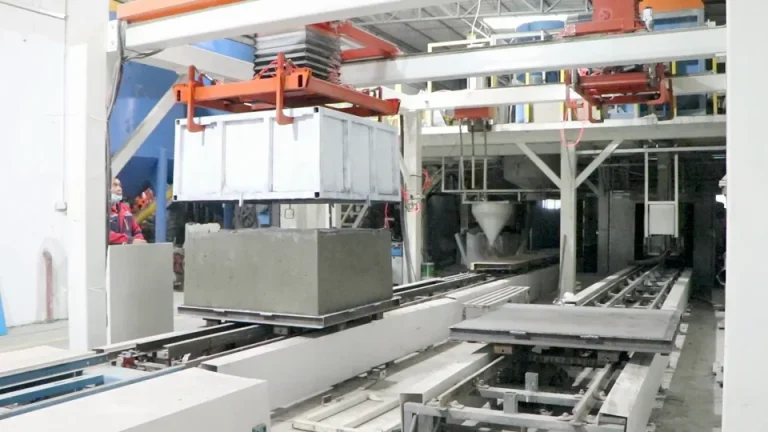
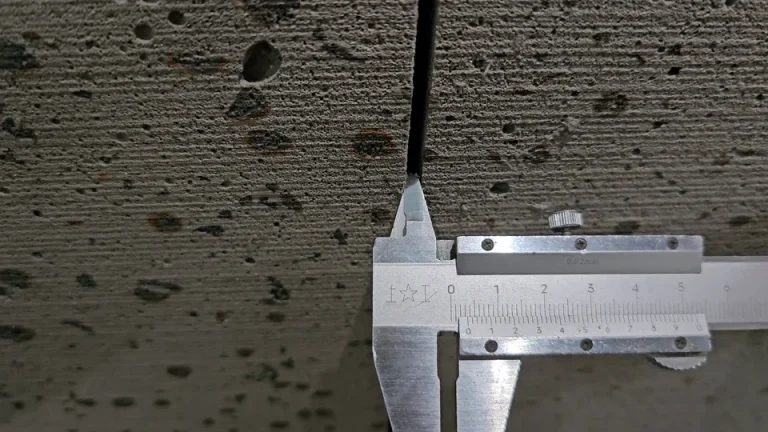
In the 48-second film, the billet reaches the inline station at 00:09. The factory checks finished dimensions at 00:19 and the kerf at 00:26. Read the English film transcript.
Prepare a trial for your block or panel
Bring the drawing, target dimensions, permitted variation, billet condition at cutting and a sketch of the transfer route. Record both ends of a marked sample, the kerf, the trimmed faces and the condition of the first accepted piece after a size change. For a retrofit, identify the moulds, conveyors and handling stations that will stay.
The Shaoxing project illustrates a cutting upgrade on an existing ceramsite block line. For a CLC factory, the stable foaming process and the billet’s release strength help determine the cutting window.
Talk to Our Engineering Team Compare cutting equipment configurations · Explore HENGDE Core Technologies