CLC vs NAAC Block Production Line: What Is the Difference?
HENGDE engineers both CLC physical-foaming lines and NAAC chemical-aeration lines with non-autoclaved curing. We select the route by testing the local material system and matching its pore-forming process, setting behaviour and finished-block requirements to the factory plan. This guide explains the differences that determine the equipment and controls.
PROCESS COMPARISON
CLC vs NAAC Comparison Table
| Decision point | CLC | NAAC |
|---|---|---|
| Cellular structure | Physical foam is produced mechanically and combined with the cementitious mix. | An aerating reaction develops gas within the mix. |
| Control focus | Foam quality, mixing sequence and foam distribution. | Material compatibility, dosing, expansion and setting conditions. |
| Selection rule | HENGDE compares material trials, product requirements and factory conditions to engineer the appropriate route and complete equipment proposal. | |
01
How CLC Forms the Cellular Structure
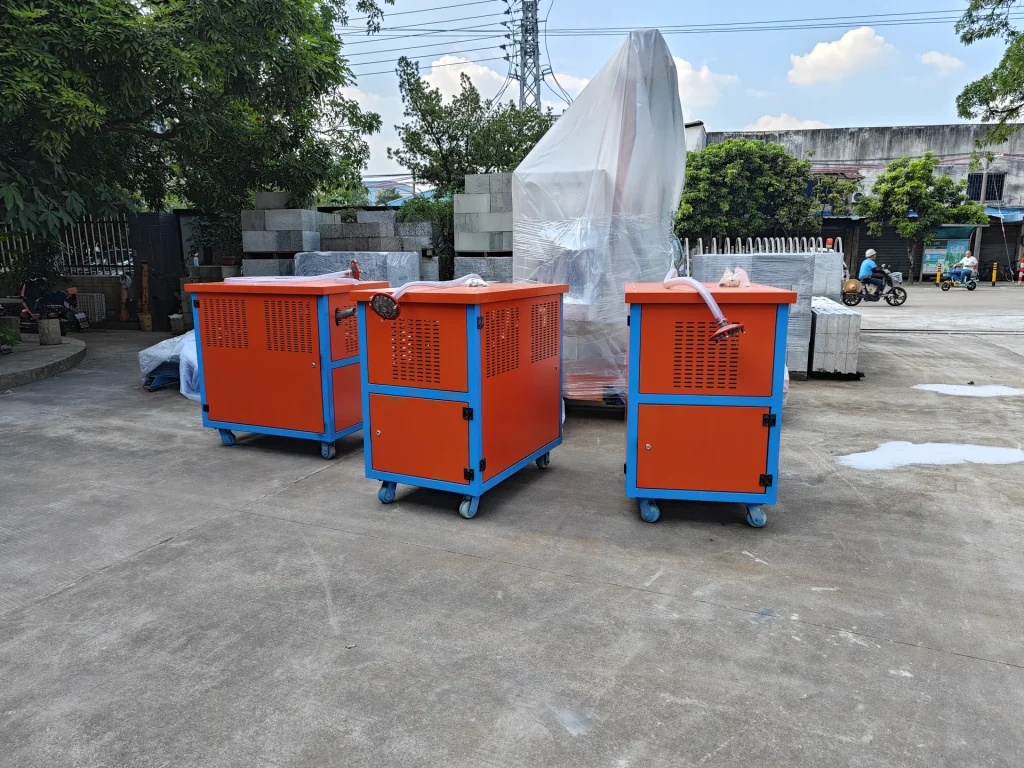
CLC: foam is produced mechanically and combined with the cementitious mix. The foaming equipment, foam quality, mixing sequence and distribution of foam must work together.
02
How NAAC Forms the Cellular Structure
NAAC: an aerating reaction develops gas within the mix. Material compatibility, dosing, mixing and the conditions during expansion and setting need to be established for the chosen formulation.
HENGDE treats these as distinct engineering routes: controlled preformed foam for CLC, and controlled chemical aeration for NAAC. Each route connects pore formation to batching, moulding, curing and cutting.
03
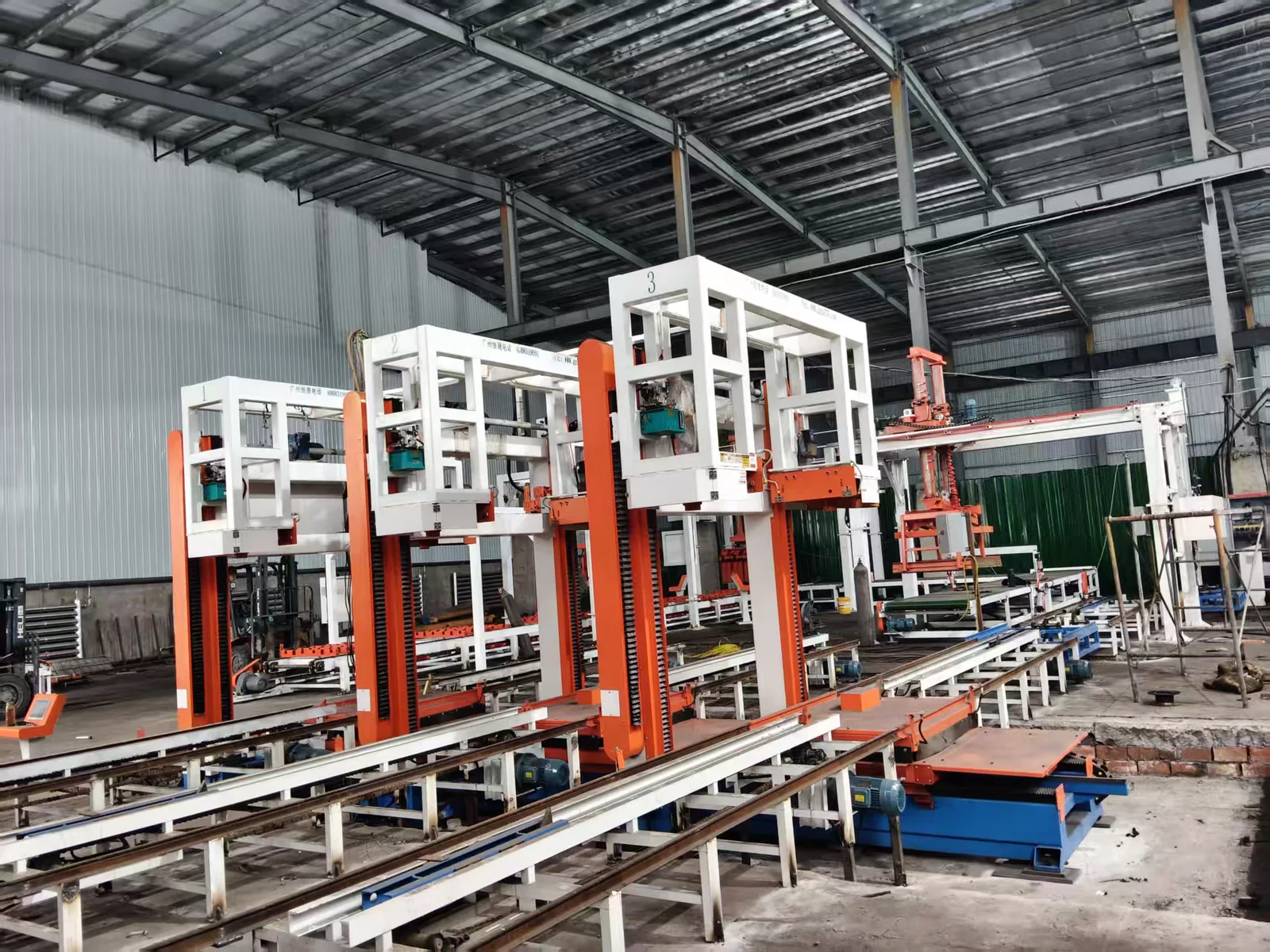
Equipment Differences
| System area | What HENGDE coordinates |
|---|---|
| Mixing | Mixing: establish sequence, dosing and control for the relevant route. |
| Moulding | Moulding: match the mould and filling procedure to the behaviour of the mix. |
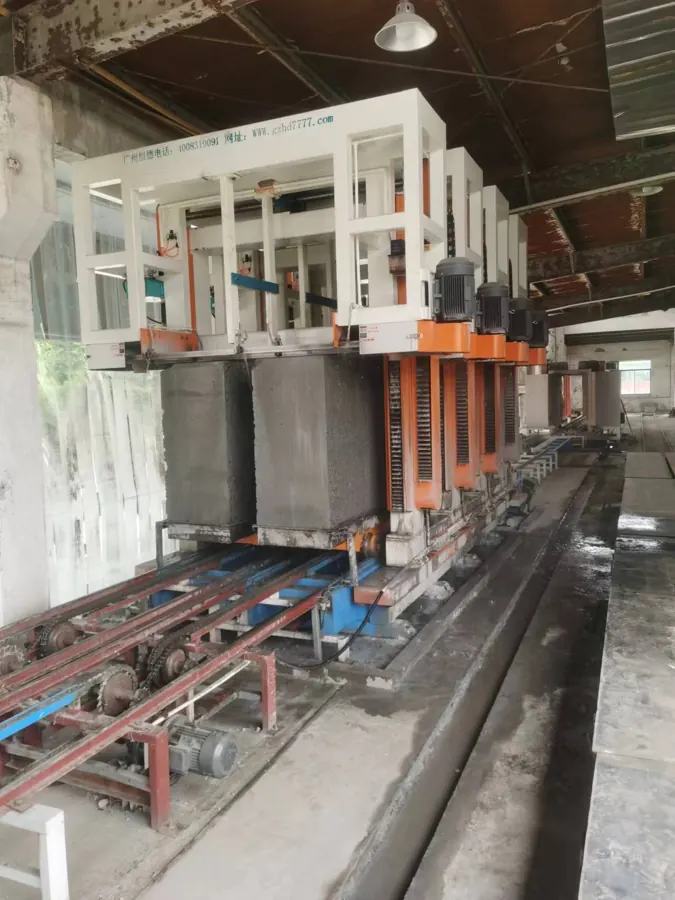
| Cutting | Cutting: assess the green body's condition and the required product sizes, not just cutter dimensions. |
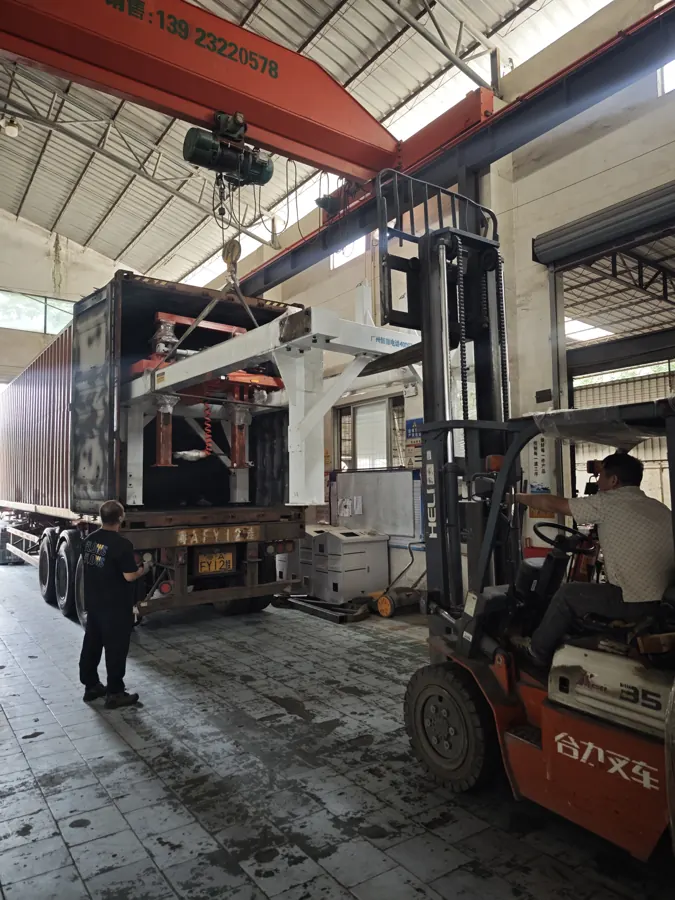
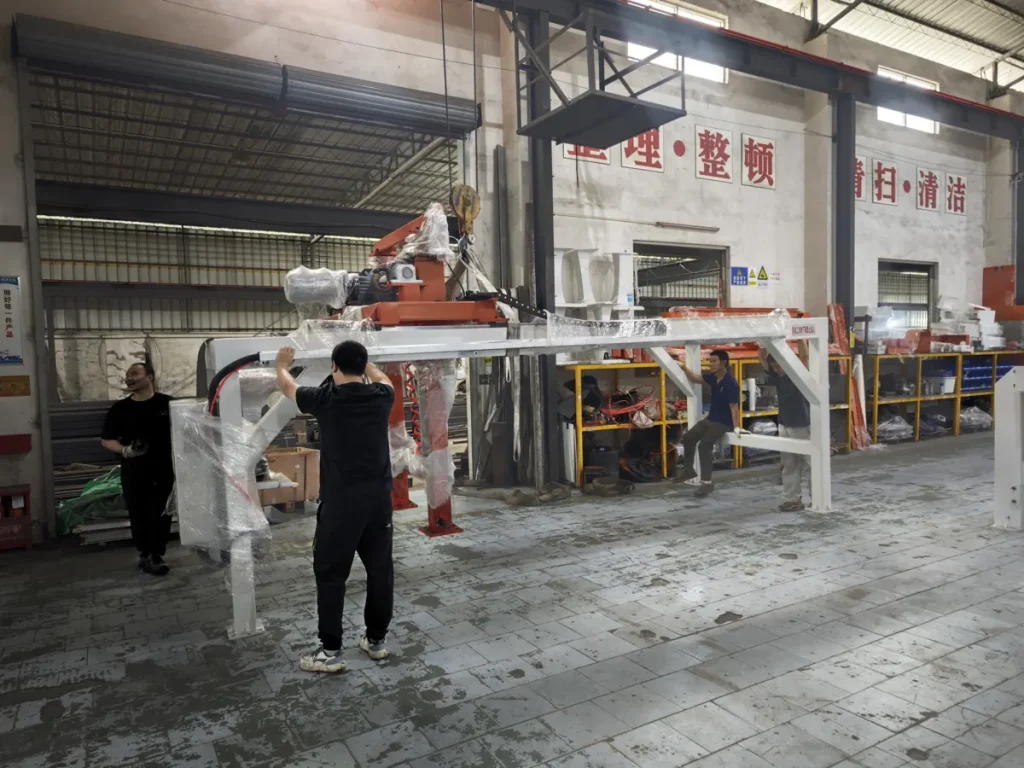
| Equipment | Equipment: check the foaming or aeration module, metering, mould circulation and controls as one configuration. |
04
Raw Materials
- Raw materials: trial the actual proposed supply against the selected formulation.
05
Curing & Production Rhythm
- Curing: define the conditions needed before demoulding, cutting and later handling.
06
Which Route Fits a Project?
HENGDE starts with the block application and performance targets, then compares material trials for the proposed route. We use setting, density and strength results to establish the curing and cutting window, and translate it into mould circulation, equipment and factory-space requirements.
Use the block production-line overview to compare the routes, including the NAAC chemical-aeration production line. For a physical-foaming example, review the 100 m³/day CLC line and its linked foaming and mixing equipment.
Keep the route, formulation and equipment proposal connected. HENGDE establishes the working material and process settings for the selected route and sizes the line around the resulting production cycle.
07
Information HENGDE Needs
Send your project location, intended block application, sizes, target output and available materials. Our raw-material testing service helps establish a suitable process. The Jaiyl NAAC block project shows HENGDE NAAC equipment and products at a customer project. Our engineers use your material trials to develop the corresponding configuration for your factory.
Frequently asked questions
Can one line produce both CLC and NAAC?
HENGDE identifies which storage, handling and cutting modules can be shared, then specifies the separate dosing, foam or aeration modules and control changes needed for each route. Dual-route production is engineered as a configuration, rather than a recipe change.
Which route costs less?
The answer depends on local materials, preparation, equipment scope, output requirements and operating conditions. Compare complete project proposals.
Discuss your production line project with HENGDE.
Share your product, project location, target output and available materials with the HENGDE team.
Discuss Your Project